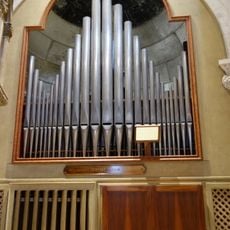
Split City Museum, museum of the city of Split, Croatia
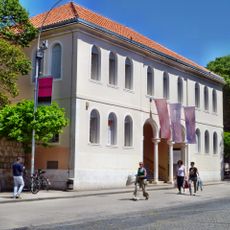
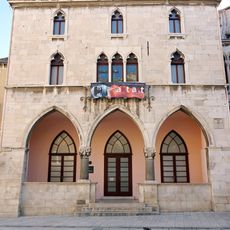
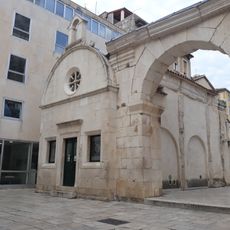
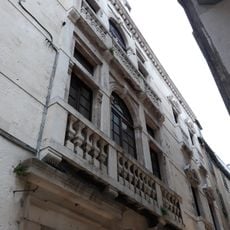
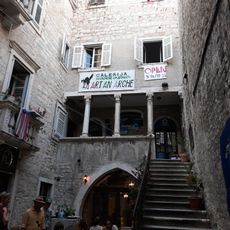
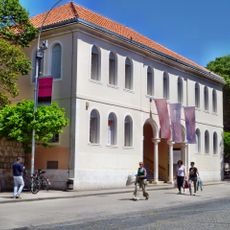
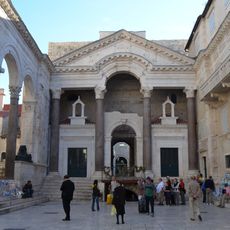
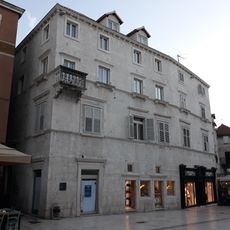
The Split City Museum occupies the Papalić Palace in the heart of the old town and displays artifacts, documents, and artworks that tell the city's story. Collections range from Roman remains like stone inscriptions and carvings to medieval items and contemporary art by local and Croatian artists.
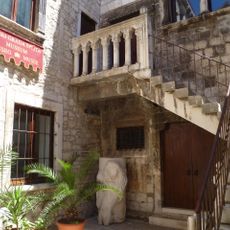
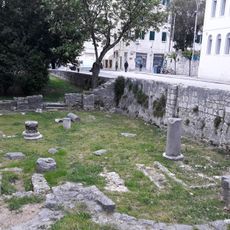
The museum's origins lie in a collection of stone fragments that Dmine Papalić and Marko Marulić gathered at the ruined Roman city of Salona in the early 16th century and built into the courtyard of Papalić's Gothic-Renaissance palace, designed by the workshop of Juraj Dalmatinac. The museum itself grew out of the City Library founded in 1911, became independent in 1945, opened in the Bernardi Palace in 1946, and moved into the Papalić Palace in 1952. After renovation it reopened on 22 October 1992 with a complete permanent display.
The museum reflects how Split was shaped by different cultures across centuries, from Roman times through the Middle Ages to today. Visitors see this connection in the objects on display and in how the city continues to honor its layered past.
The museum sits centrally in the old town and is easy to reach, with staff happy to answer questions about the exhibits. The building offers quiet rooms for viewing the collections and you can explore at your own pace.
The museum's origins lie in a stone-fragment collection that Dmine Papalić and Marko Marulić gathered at the ruined Roman city of Salona in the early 16th century and built into the courtyard of Papalić Palace, where the museum now stands. Marulić listed the embedded monuments and named the group "Papalić's Collection".
The community of curious travelers
AroundUs brings together thousands of curated places, local tips, and hidden gems, enriched daily by 94,297 contributors worldwide.