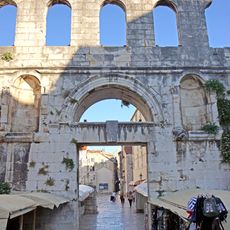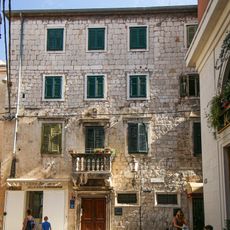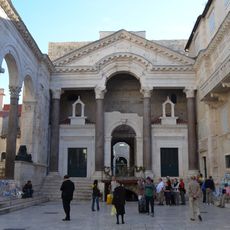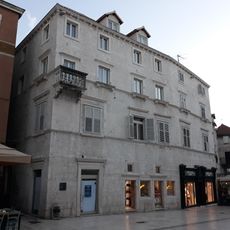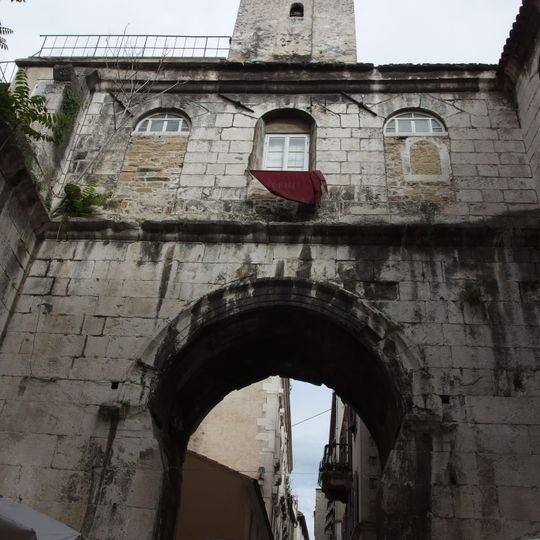
Iron Gate, Roman entrance gate in Split, Croatia
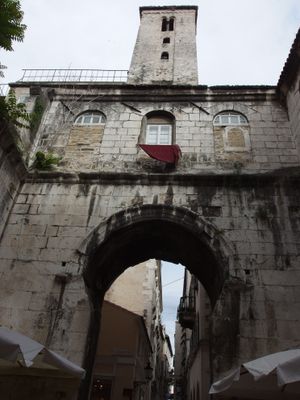
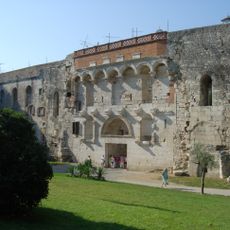
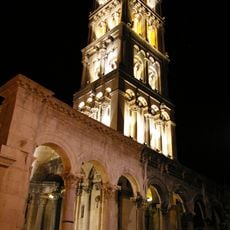
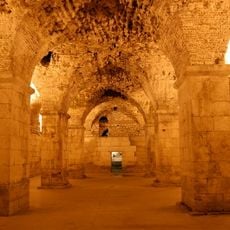
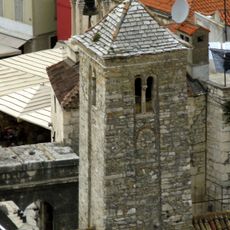
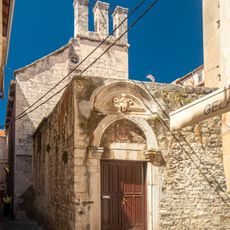
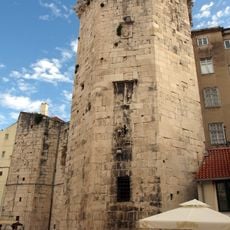
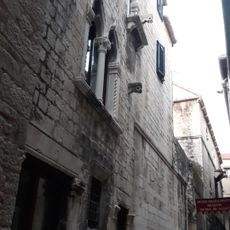
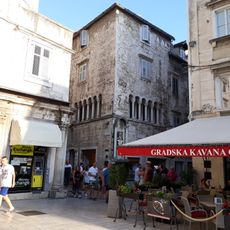
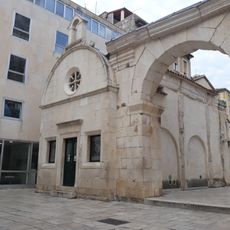
The Iron Gate is the western entrance to Emperor Diocletian's ancient palace and connects modern city streets to the interior of the historical complex. The passage features a vaulted corridor with arcaded sections and is crowned by the Church of Zvonik, which separates the gate from the outer passageway.
The gate was built in the 4th century during Emperor Diocletian's reign as a military entrance and later served as a courthouse during medieval times. As the palace declined and the city grew around it, it evolved into a central passage connecting old and new quarters.
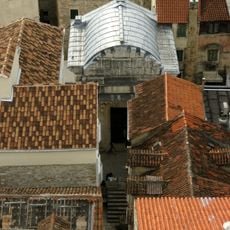
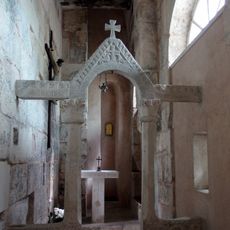
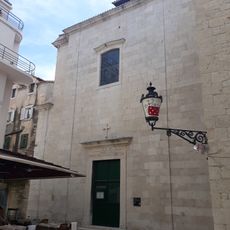
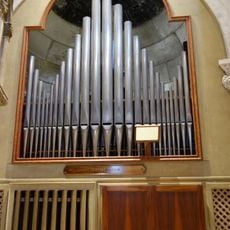
The gate holds the Church of Our Lady of Zvonik, built in the 11th century above the entrance and preserving religious artifacts and medieval architectural elements. This sacred space shapes how visitors experience the gate today and reflects the blend of religious and civic life that developed here.
The gate functions as an active entrance to the old town and remains open during the day, though the church above may have separate visiting hours. The passageway is narrow and can get crowded during peak times, so arriving early in the morning or later in the afternoon tends to be more pleasant.
The gate displays an unusual 24-hour clock face instead of the conventional 12-hour format, marking time in a way that catches the eye of observant visitors. This detail often goes unnoticed at first glance but holds practical significance for locals navigating their day.
The community of curious travelers
AroundUs brings together thousands of curated places, local tips, and hidden gems, enriched daily by 92,625 contributors worldwide.