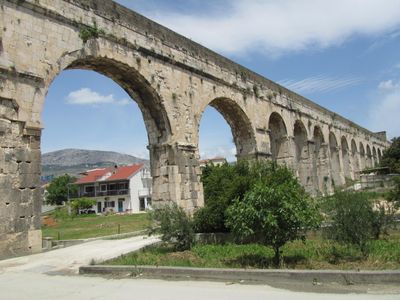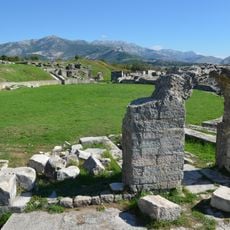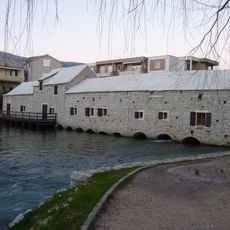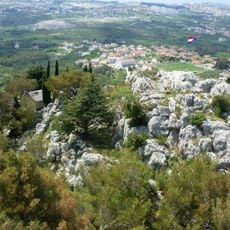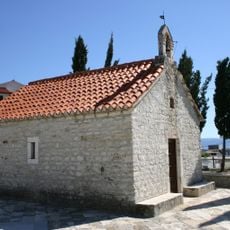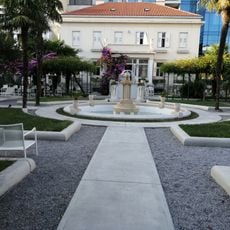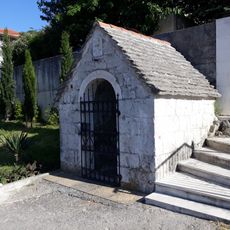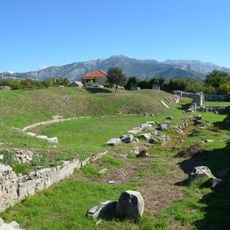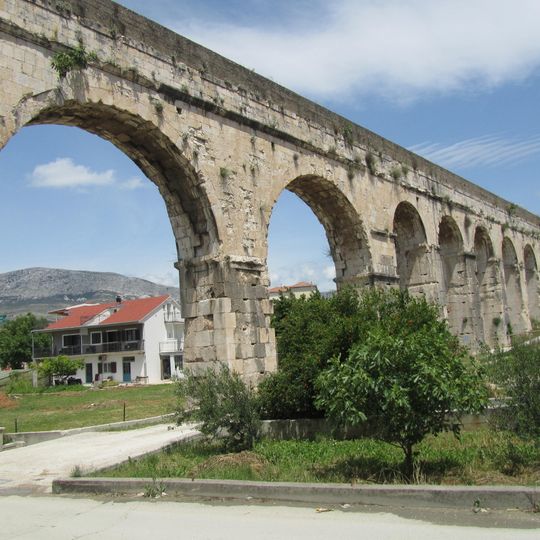
Diocletianus Aqueduct, Roman aqueduct in Split, Croatia.
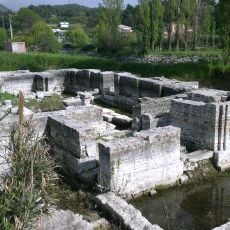
Diocletianus Aqueduct is a Roman water system that brought water from the Jadro River to Split across roughly 9 kilometers (5.5 miles) of distance. The structure includes both open stone arches above ground and an underground tunnel section that visitors can walk through today.
Built in late Roman times to supply the new imperial residence with fresh water, this aqueduct served the growing city for centuries. The engineering proved so durable that parts of the structure remained functional long after the Roman period ended.
The aqueduct is named after the emperor who commissioned it and demonstrates how Roman engineers solved water supply challenges for urban centers. Visitors today can observe the practical design choices visible in the underground sections, reflecting the pragmatic approach to public infrastructure.
The underground section is open year-round with natural cool conditions from the flowing water and rock surroundings. Wear comfortable shoes with good grip and bring a light jacket, as the tunnel is damp and cold with uneven ground.
Small blind crabs live in the darkest sections of the tunnel and have fully adapted to life without light. These creatures are a living reminder of how ancient infrastructure can create unexpected habitats.
The community of curious travelers
AroundUs brings together thousands of curated places, local tips, and hidden gems, enriched daily by 91,501 contributors worldwide.