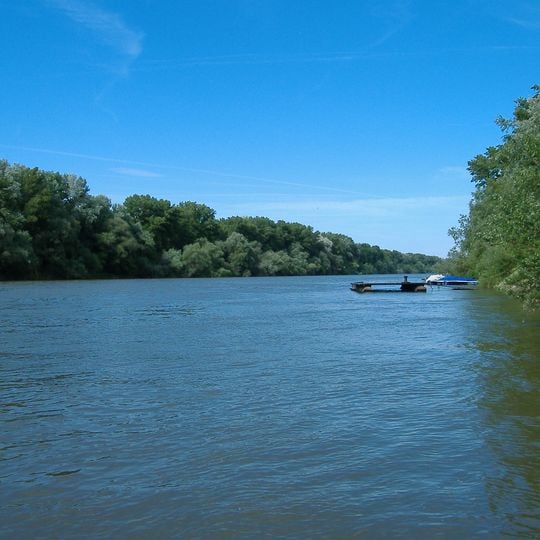
Tisza, Major river in Zakarpattia Oblast, Ukraine and Romania
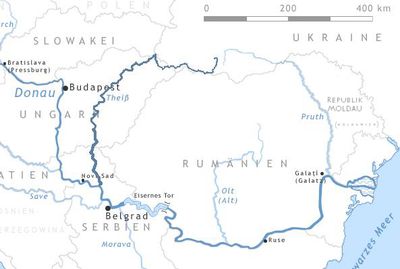
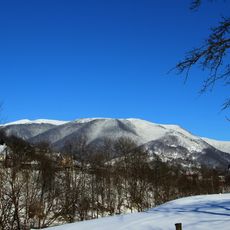
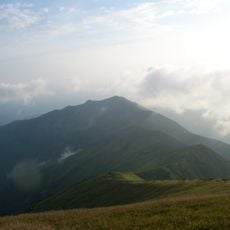
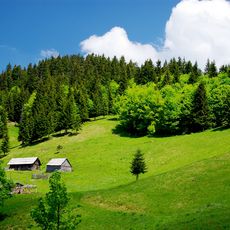
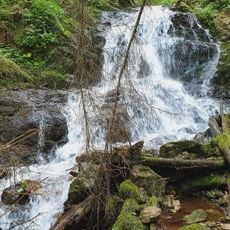
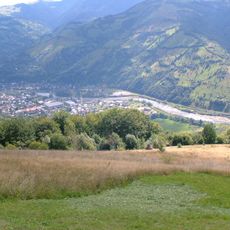
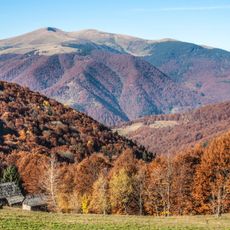
The Tisza is a river flowing through Zakarpattia Oblast in Ukraine and Romania, stretching 966 kilometers from its source in the Carpathian Mountains. The watercourse winds through several countries before meeting the Danube, cutting valleys between forested hills and open plains along the way.
Engineers began regulating the course in 1846 under István Széchenyi's leadership to control flooding and shorten its original length from 1,419 kilometers. These works reshaped the river's meanders and created new channels that redirected the flow through the plains.
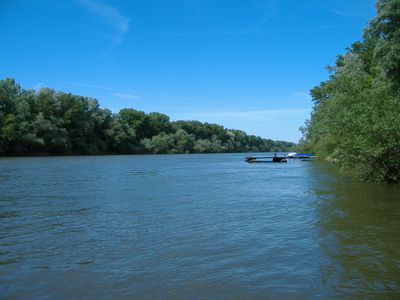
The river's name shifts between languages as it flows through different regions, reflecting the Hungarian, Romanian and Ukrainian communities that live along its banks. Small wooden boats still rest by the shore in certain villages, where fishing remains part of everyday life and nets hang from poles to dry in the morning sun.
Several access points along the banks allow for walks on marked trails, while kayakers find calm sections with little current that work well for short trips. Anglers are advised to come early in the morning or late afternoon when the light sits low on the water and fish activity increases.
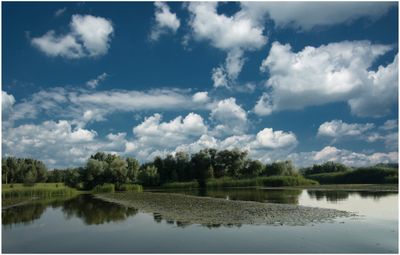
The construction of the Kisköre Dam created an artificial lake now known as Lake Tisza, which serves both as flood control and a water reserve during dry months. This change gave the river a new function that shapes the life of surrounding communities and altered the landscape dramatically.
The community of curious travelers
AroundUs brings together thousands of curated places, local tips, and hidden gems, enriched daily by 92,638 contributors worldwide.