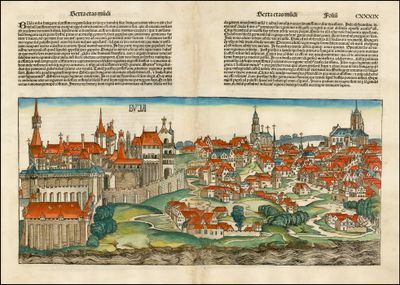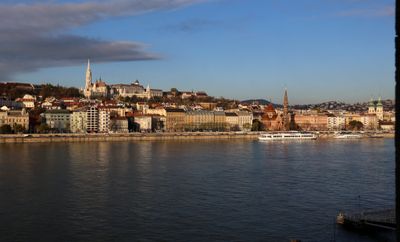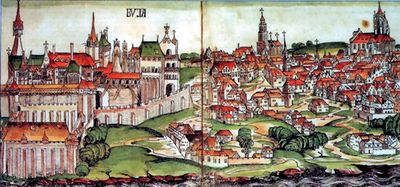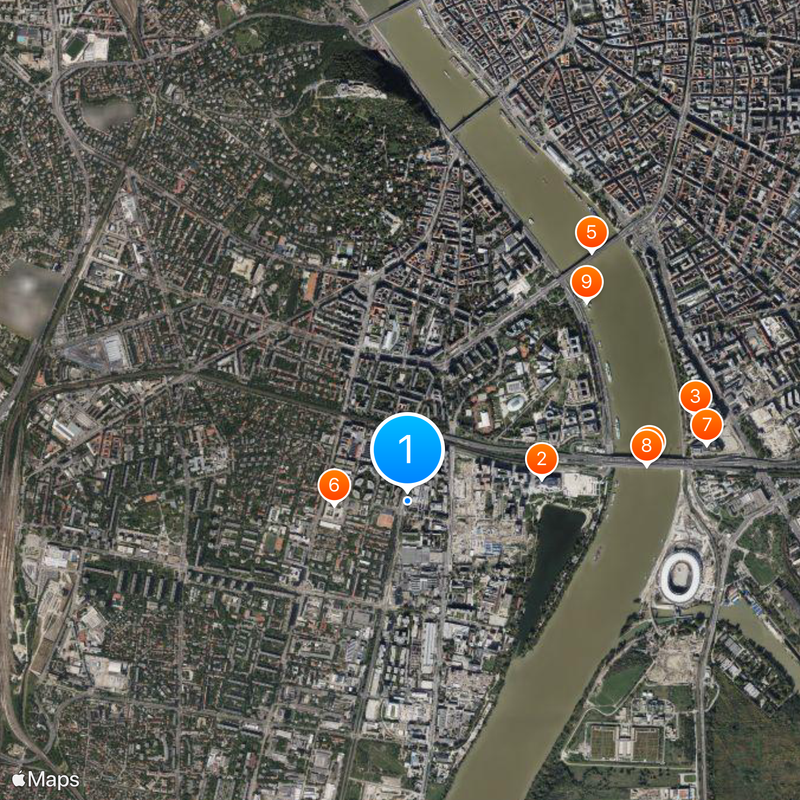
Buda, Historic district on western bank of Danube River in Budapest, Hungary
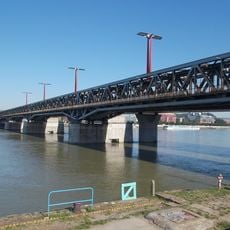
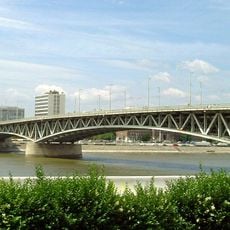
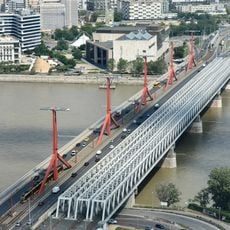
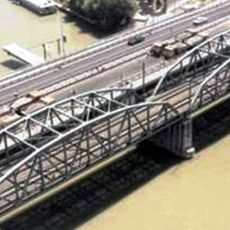
Buda is the western section of the Hungarian capital, set on a range of low hills rising directly from the Danube's bank. Seven permanent bridges link it to the eastern half of the city, while wooded slopes and winding lanes climb toward terraces that look out across the water.
Settlement on the hill took shape in the 13th century as a walled royal town with a fortified palace crowning the summit. Merger with the eastern settlement in 1873 formed the double name that the modern capital now carries.
Narrow cobbled streets lead to wine cellars where locals gather in the evening to taste regional wines and discuss city matters. The names of squares and lanes often recall figures from Hungarian literature and historic events, marked on blue enamel plaques fixed to building corners.
The upper section is easiest to reach by taking the short funicular from the square below the first major bridge, though stone staircases also climb the slope at several points. Comfortable shoes help on the uneven cobbles that cover many older lanes.
Beneath the castle lies a network of caves carved by thermal springs through limestone over thousands of years, later used for storage and wartime shelter. Guided tours now lead visitors through some of these underground passages.
The community of curious travelers
AroundUs brings together thousands of curated places, local tips, and hidden gems, enriched daily by 91,507 contributors worldwide.