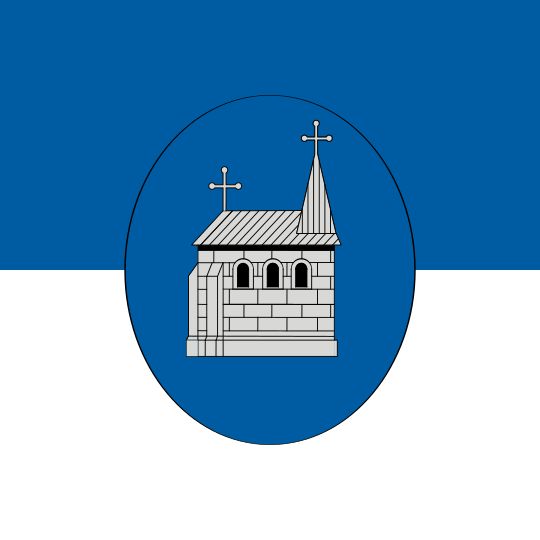
Budakeszi, town in Hungary
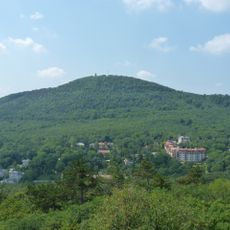
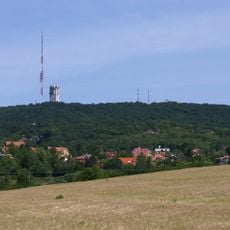
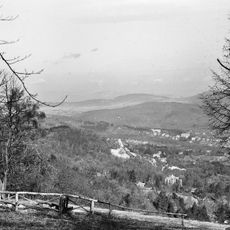
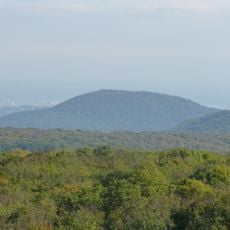
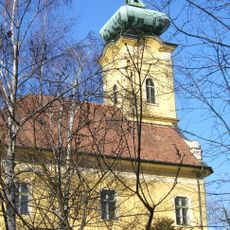
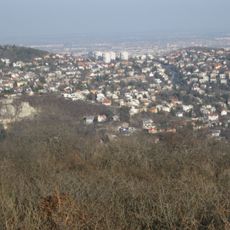
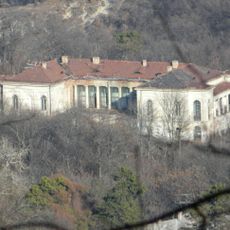
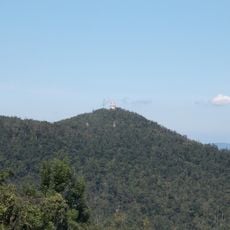
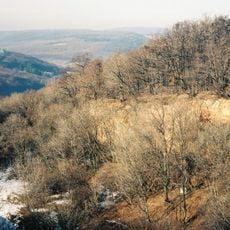
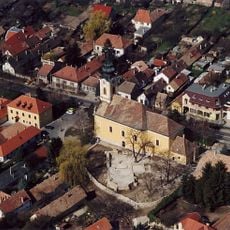
Budakeszi is a small town near Budapest situated on rolling hills surrounded by forests and orchards where quiet residential streets branch throughout the area. At its center lies a baroque Catholic church in a valley, with a Protestant church nearby and scattered traditional buildings alongside newer homes.
First recorded around 1270, Budakeszi takes its name from Buda and an ancient tribal group of the region. After Ottoman destruction in the 1500s, the area was repopulated with German-speaking settlers from the 1680s onward, though most were expelled after World War II.
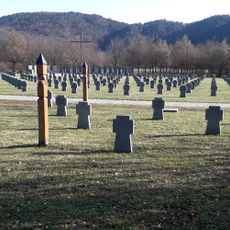
Budakeszi was shaped for centuries by German-speaking Swabian settlers who arrived after the 1680s and built their homes and churches with traditions that remain visible today. The baroque Catholic church and headstones with German inscriptions in local cemeteries reflect this layered past.
Budakeszi is reached from Budapest in about 30 minutes by bus or car, making it convenient for a day trip. The town invites walking and cycling through its roads and forest trails, which are accessible to most visitors regardless of fitness level.
Parents of German foreign minister Joschka Fischer were expelled from Budakeszi in 1946, a displacement that shaped Fischer's later political path. He was later granted honorary citizenship as a gesture of reconciliation and restored connection to the town.
The community of curious travelers
AroundUs brings together thousands of curated places, local tips, and hidden gems, enriched daily by 91,262 contributors worldwide.