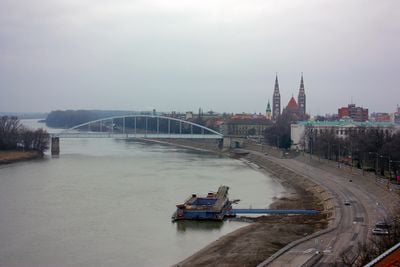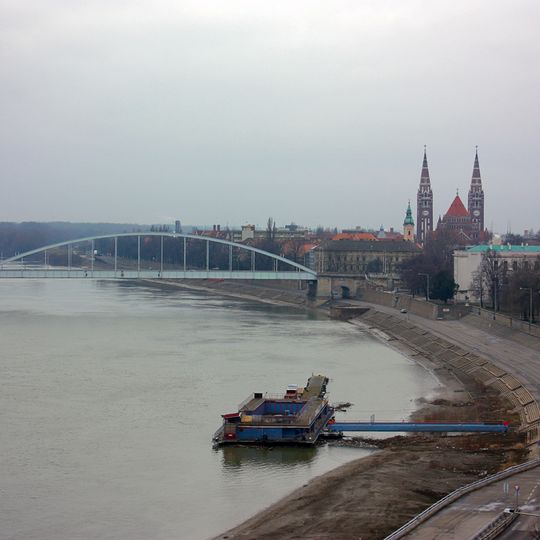
Belvárosi híd, Road bridge over the Tisza in Szeged, Hungary
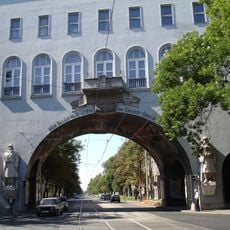
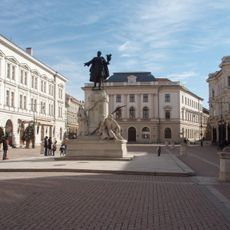
The Belvárosi Bridge links Roosevelt Square in Szeged with Torontál Square in Újszeged across the Tisza. Its steel structure was built from the plans of Gustave Eiffel and János Feketeházy, and its surviving arch withstood the explosions of 1944. The rebuilt span carries two trolleybus lines and several local bus routes.
Construction of a permanent Tisza crossing, first proposed in 1787, began in December 1880 to plans by János Feketeházy and Gustave Eiffel, and the bridge opened on 16 September 1883. An air attack damaged it on 3 September 1944, and German troops blew it up on 9 October; the arch survived. Rebuilt to plans by Győző Mihailich and Róbert Folly, it reopened in 1948.
The Hídivásár market festival in May draws residents and merchants to the bridge area, showcasing traditional Hungarian celebrations and local goods in the heart of the city.
The bridge is easy to reach on foot or by public transport, with bus lines serving both sides of the river. Plan to cross during daylight hours when foot traffic moves smoothly and visibility is clear.
The bridge's wrought-iron arch survived the 1944 explosions; the retreating German troops destroyed the span but not the arch itself. The rebuilt crossing opened in 1948, assembled by MÁVAG from steel made at the Győr wagon works and the Ganz factory.
The community of curious travelers
AroundUs brings together thousands of curated places, local tips, and hidden gems, enriched daily by 92,628 contributors worldwide.