Kiskunság National Park, National park in Kecskemét District, Hungary.
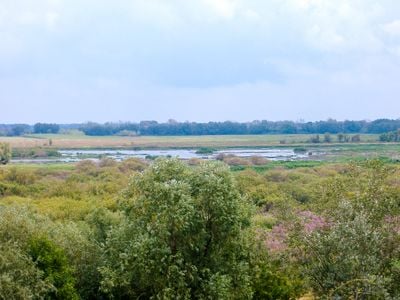
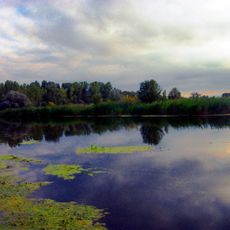
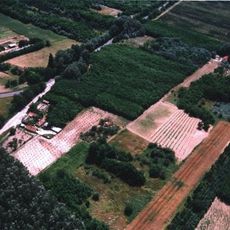
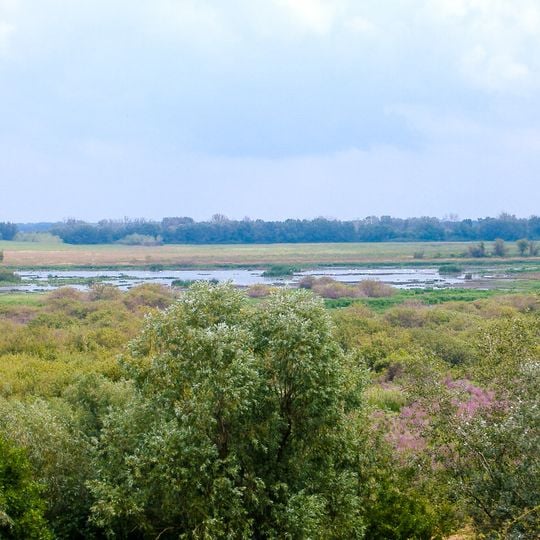
Kiskunság National Park is Hungary's second national park, established on 1 January 1975 and covering 530 km² across seven separate units in the Danube–Tisza Interfluve, mainly in Bács-Kiskun county. Its habitats range from alkali lakes and marshes to sand dunes, loess banks and floodplain forests. The park's visitor centre, the House of Nature, is in Kecskemét.
Kiskunság National Park was established on 1 January 1975 as Hungary's second national park, following Hortobágy. In 1979 UNESCO's Man and the Biosphere programme designated two-thirds of its area a biosphere reserve, and its wetlands fall under the Ramsar Convention. The park is not one block but seven separate units across the Danube–Tisza Interfluve, mainly in Bács-Kiskun county.
Traditional horseback demonstrations at the Bugac grounds showcase local herding techniques with grey longhorn cattle and open-range grazing methods. Shepherds wear light blue linen garments and use long whips during these practical displays on select days.
The House of Nature in Kecskemét offers maps, trail information, and guidance on guided tours through the different park units. Trails are generally flat and walkable for most visitors, though summer heat requires sun protection and sufficient water.
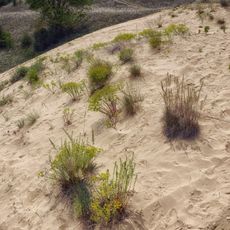
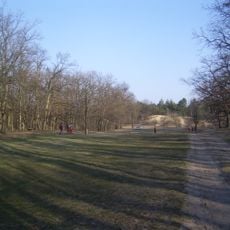
The Fülöpháza dunes are shaped by north-west to south-east winds that keep moving the sand and building new dunes elsewhere, while plants colonise the sheltered sides. The area also shelters species adapted to drought, such as the rock rose and the late pink.
The community of curious travelers
AroundUs brings together thousands of curated places, local tips, and hidden gems, enriched daily by 92,605 contributors worldwide.