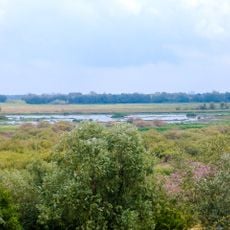
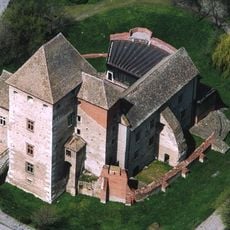
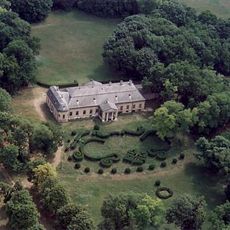
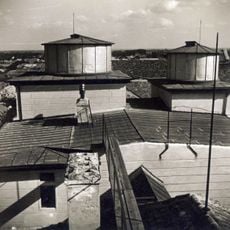
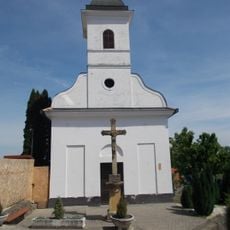
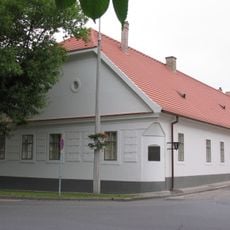
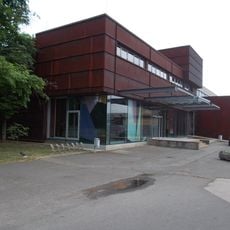
Castrum Lussonium, Roman military fortification in Paks, Hungary.
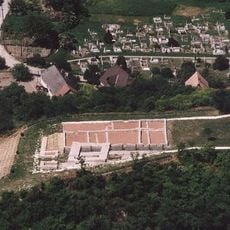
Castrum Lussonium was a Roman military fort along the Danube at Paks, with stone walls forming part of the empire's defensive line. The remains show the layout of a typical Roman garrison with barracks areas and spaces for religious activity.
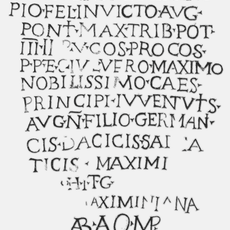
Lussonium was already a Roman auxiliary fort before the end of the 1st century AD, guarding the Danube crossing opposite the Imsós peninsula. It is first named by Claudius Ptolemy in the 2nd century and appears in the Itinerarium Antonini, the Tabula Peutingeriana and the Notitia Dignitatum. In 1705–1706 János Bottyán's kuruc troops refortified the hill, known since as Bottyán-Sánc.
The artifacts reveal how soldiers worshipped and lived here, with carvings of Mithras showing Persian religious influence among the troops. These objects show how different customs mixed along the empire's frontier.
The site is open from March to December, with guided tours arranged through Paks Town Museum. It is best to contact the museum in advance since tours are not offered daily.
The site is known locally as Bottyán-sánc, after János Bottyán, who refortified the Roman ruins in 1705–1706 during the Rákóczi uprising against the Habsburgs. The hill changed hands several times in the fighting before imperial troops took it and the Hungarians withdrew across the Danube.
The community of curious travelers
AroundUs brings together thousands of curated places, local tips, and hidden gems, enriched daily by 92,651 contributors worldwide.