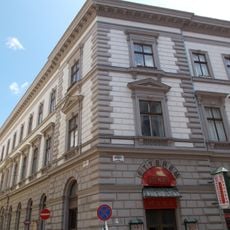
Wenckheim Palace, Neo-Baroque palace in Palotanegyed, Hungary
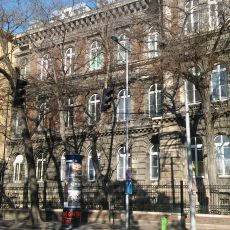
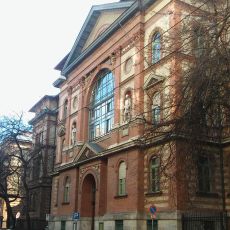
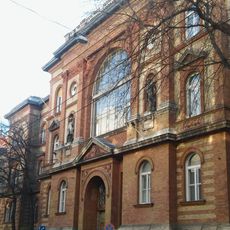
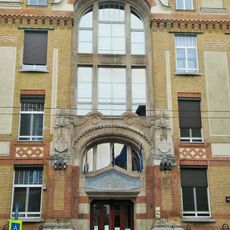
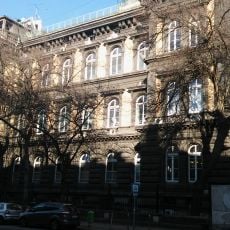
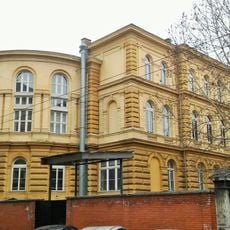
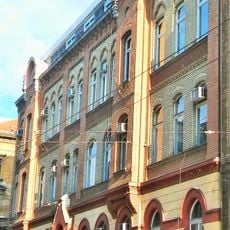
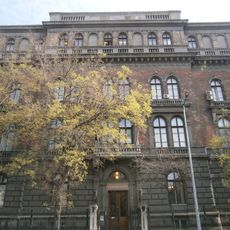
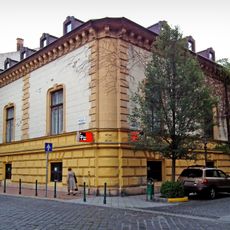
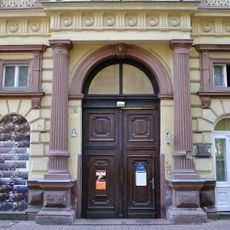
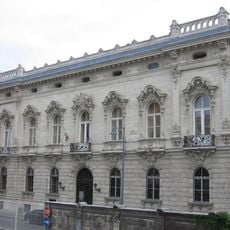
The Wenckheim Palace is a palace on Szabó Ervin tér in Budapest's Palotanegyed, built in Neo-Baroque style with Neo-Renaissance, Rococo and Biedermeier elements. Its exterior follows Dresden Baroque models, while the interior is in the Louis XV style. The wrought-iron grilles, gates and candelabras were made by Jungfer Gyula, and the present ornamental wrought-iron entrance gates date from 1897.
Count Frigyes Wenckheim commissioned the palace as a Pest residence and venue for balls and society events; it was built in 1886–1889 to designs by Arthur Meinig. After the count's death in 1927 the heirs sold it to the city, and following four years of conversion it reopened in 1931 as the Municipal Library. A reconstruction and extension by architect Péter Hegedűs, begun in 1998, added the Berczik Palace and a new wing; the renovated central library opened on 12 September 2001.
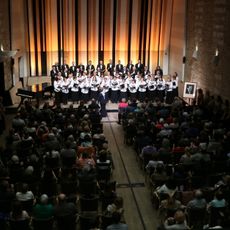
The building serves the neighborhood as a library that hosts events and readings within its preserved grand halls. Visitors can experience how the original decorative spaces have been adapted for contemporary public use while keeping their historical character intact.
The building now operates as a public library that welcomes visitors during operating hours. The palace is accessible and can be visited by people with various mobility needs, making it straightforward for everyone to explore the historic interiors.
The wrought-iron gates of the main entrance were made in 1897 by Gyula Jungfer, a leading Pest craftsman in forged-iron work, who also supplied the palace's grilles and lamp posts. The building was designed by Arthur Meinig, an architect of Saxon origin, for Count Frigyes Wenckheim as a residence for the family's occasional stays in Pest and as a setting for balls.
The community of curious travelers
AroundUs brings together thousands of curated places, local tips, and hidden gems, enriched daily by 92,652 contributors worldwide.