Dunsink Observatory, Astronomical observatory in Dublin, Ireland
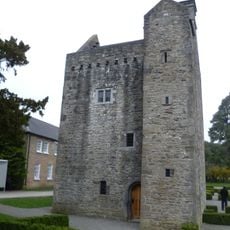
Dunsink Observatory is an astronomical observatory built in 1785 on the south slope of a low hill in the townland of Dunsink, 84 m above sea level, on the outskirts of Dublin. Its main instrument is the South Telescope, a 12-inch Grubb refractor completed in 1868, fitted with an 11.75-inch achromatic lens donated by Sir James South in 1862. The site is now run by the Dublin Institute for Advanced Studies.
The facility was established in 1785 to advance astronomical research in Dublin. Over time it became a significant center for celestial observation and scientific discoveries.
The observatory's name comes from the townland of Dunsink, and its time was once Ireland's official clock: Dublin Mean Time, used from 1880, was the local mean time at Dunsink until Ireland switched to GMT in 1916. The annual Hamilton Walk, marking William Rowan Hamilton's discovery of quaternions on the walk to Dublin, sets off from here. The observatory appears in Andrew Hughes's novel The Coroner's Daughter, Dublin's One City One Book for 2023.
Access is easiest by personal transport since the location sits outside central Dublin. It is best to check ahead about available viewing sessions or public events before planning a visit.
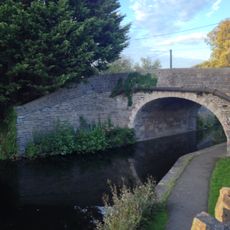
William Rowan Hamilton conceived quaternions, the first non-commutative algebra, on 16 October 1843 while walking with his wife from Dunsink to Dublin; he carved the formula into Broom Bridge. The annual Hamilton Walk retraces that route, starting at the observatory.
The community of curious travelers
AroundUs brings together thousands of curated places, local tips, and hidden gems, enriched daily by 92,703 contributors worldwide.