Lough Gur, Archaeological lake in County Limerick, Ireland
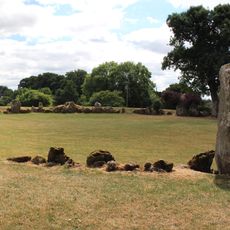
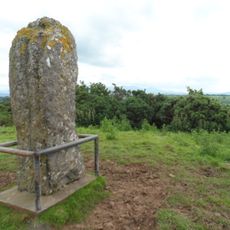
Lough Gur is a horseshoe-shaped lake at the base of Knockadoon Hill in County Limerick, between Herbertstown and Bruff. Grange stone circle, Ireland's largest, and a dolmen stand near its shore, and the remains of at least three crannogs lie in the water. A visitor centre with a car park and picnic area sits beside a shallow, lawn-edged stretch of the lake.
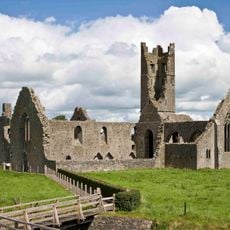
People have lived near Lough Gur since about 3000 BC. Excavations on Knockadoon Hill uncovered Stone Age houses, and at least three crannogs stood in the lake. Later remains include ring forts, a hill fort, and Early Medieval house outlines known as "The Spectacles". Black Castle, a Norman keep at the far end of the lake, was used during the Desmond Rebellions; the Earl of Desmond asserted his authority there in 1573 after adopting Irish dress.
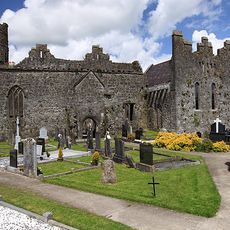
The lake's name comes from the Irish Loch Goir. Gearóid Iarla, the 14th-century lord of Munster and poet devoted to the goddess Áine, is said to sleep in a cave here and to ride a silver-shod white horse around the lake when Ireland needs him. The ruins of an early Christian church stand by the road down to the water.
The visitor centre opens daily and offers guided walks, exhibitions, and a playground for families. Parking is available on-site, and the paths around the lake are accessible to most visitors.
Local lore tells of Gearóid Iarla, a 14th-century Munster lord, said to be sleeping in a lakeside cave. According to the tale, he will one day awaken to aid Ireland in its greatest hour of need.
The community of curious travelers
AroundUs brings together thousands of curated places, local tips, and hidden gems, enriched daily by 92,788 contributors worldwide.