Vartry Reservoir, Major water supply scheme for Dublin city, Ireland
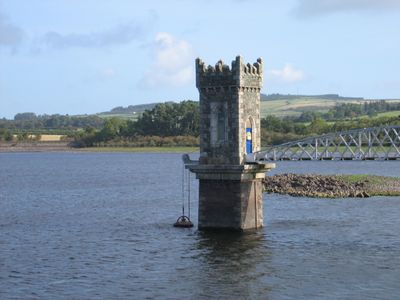
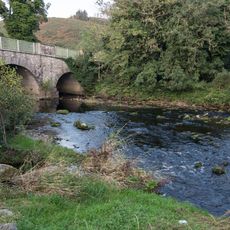
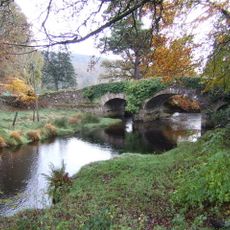
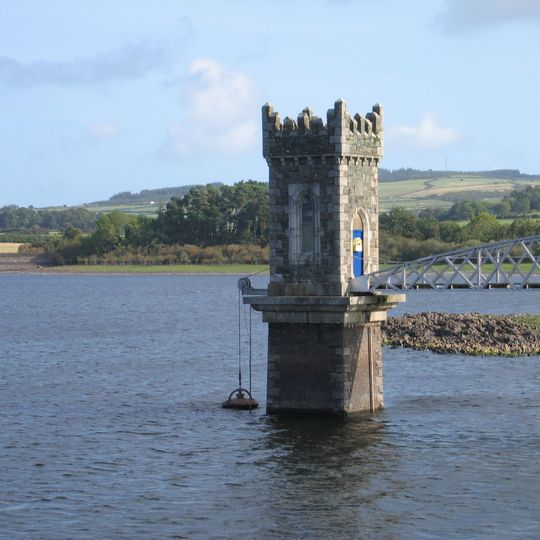
Vartry Reservoir is a water supply system in County Wicklow made up of two main basins built to serve Dublin with drinking water. The lower basin was completed in 1863 with an earthen dam across the River Vartry valley, while a second basin was added upstream in 1923 to expand storage capacity for a growing population.
The lower basin was built between 1862 and 1863 to improve Dublin's drinking water supply and fight waterborne diseases like cholera and typhus that spread through contaminated water. This project represented a major engineering and public health achievement of the 19th century.
The name comes from the River Vartry that feeds the reservoir. The area reflects how communities have traditionally managed water resources and shaped the landscape to meet the needs of a growing city over many generations.
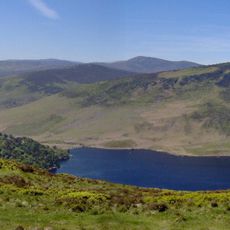
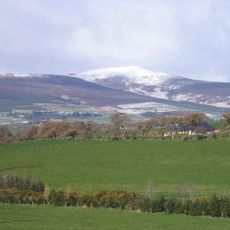
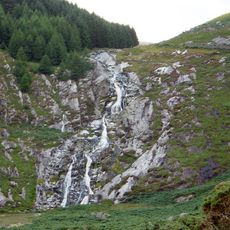
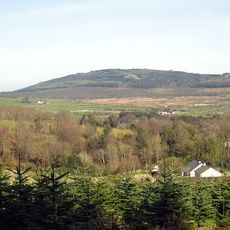
The site is open and accessible with paths for walking around the basins and through the surrounding countryside. Walking is the best way to explore and appreciate the landscape, as the quiet surroundings and open fields make it easy to move about on foot.
Local tradition holds that Saint Patrick arrived at the mouth of the Vartry River, connecting the area to one of Ireland's most important religious stories. This historical link adds a layer of meaning to a place otherwise known mainly for its practical role in supplying water.
The community of curious travelers
AroundUs brings together thousands of curated places, local tips, and hidden gems, enriched daily by 90,868 contributors worldwide.