Israeli National Maritime Museum, National maritime museum in Haifa, Israel.
The Israeli National Maritime Museum in Haifa displays maritime history across three floors, with exhibitions about ancient vessels, navigation techniques, and trade routes throughout the Mediterranean. The building also houses working areas where practical knowledge about historical seafaring is shared and demonstrated.
A committee of the Hebrew Maritime Society began collecting exhibits in 1938, and a maritime museum opened in Tel Aviv in January 1939 before moving to Haifa. It was inaugurated at Beit Yordei HaYam on 26 December 1946 with about 500 exhibits, moved to Herzl Street during the 1948 war, and reopened in June 1949. In December 1954 Haifa municipality bought the navy's collection for one lira and opened the museum jointly with the society; in 1972 it moved to the Aryeh Ben-Eli building on Allenby Street, funded by the Morrison Fund of London and the municipality.
The museum reflects how this coastal region has depended on the sea for thousands of years, telling stories of the people and trade networks that shaped it. Visitors encounter objects from different ancient civilizations, showing how central maritime life was to survival and exchange.
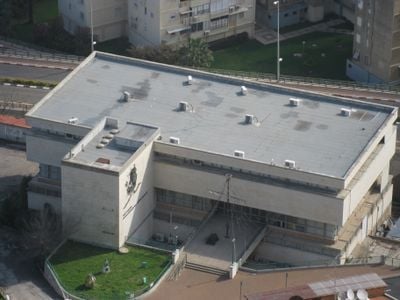
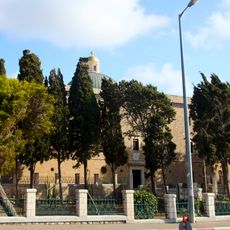
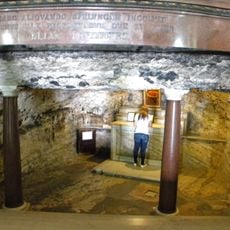
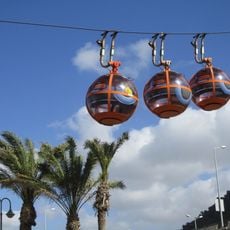
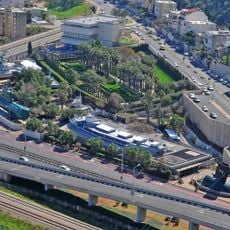
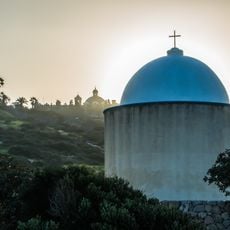
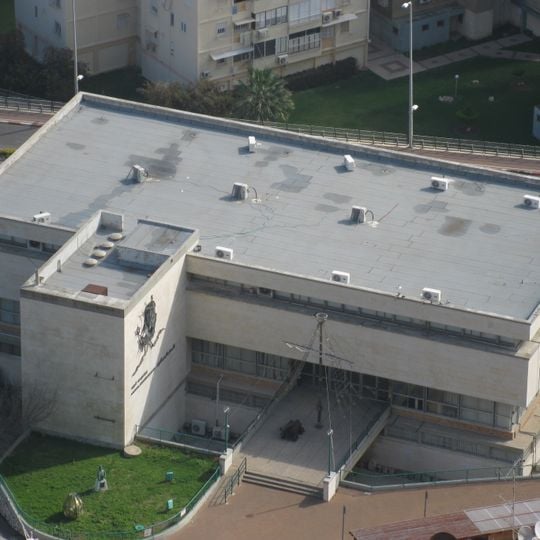
The museum stands on Allenby Street at the foot of Stella Maris, near the Haifa cable car and the Cave of Elijah. The entrance is reached by a concrete ramp beside a low wall and narrow lawn. The building is shared with the Marine Workshop of the Leon Recanati Institute, so some areas serve active research.
The Athlit Ram, a bronze warship ram from the 2nd century BC, is displayed here. It was found in 1980 in shallow water off Athlit, south of Haifa, and is the only surviving bronze ram from antiquity. The museum also houses the Marine Workshop of the Leon Recanati Institute for Maritime Studies, which carries out diving and underwater survey work.
The community of curious travelers
AroundUs brings together thousands of curated places, local tips, and hidden gems, enriched daily by 92,633 contributors worldwide.