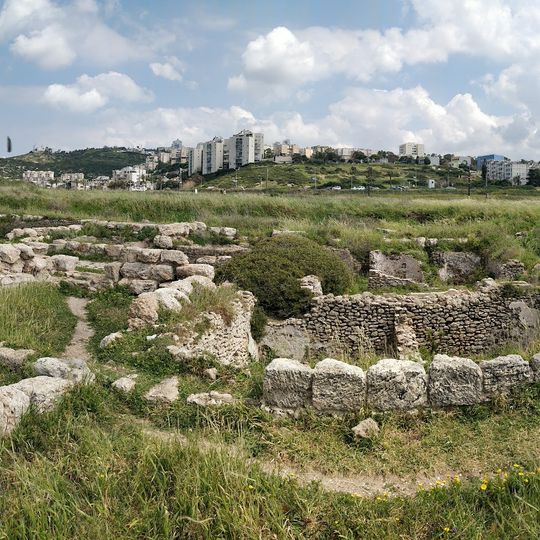
Tel Shikmona, Archaeological site on Mediterranean coast in Haifa, Israel
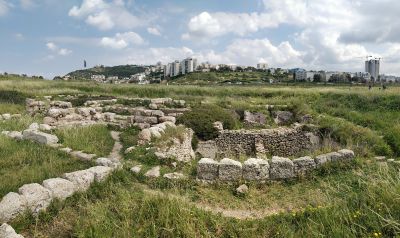
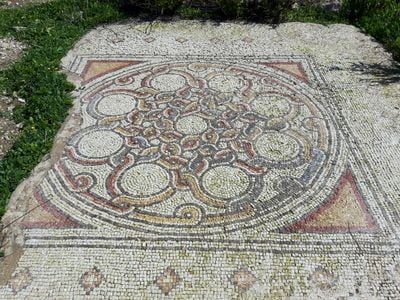
Tel Shikmona is an archaeological site on the Mediterranean coast near Haifa containing layers from multiple historical periods. The remains include structures, streets, and buildings from different cultures that were built on top of each other, telling the area's story across many centuries.
Tel Shikmona was settled in the Late Bronze Age, around the 15th century BCE, with finds including Cypriot and Mycenaean pottery and a seal of Pharaoh Seti I. A Phoenician town dominated the site from the 11th to the 6th century BCE and operated a Tyrian purple dye industry using Murex sea snails. The town was destroyed in 738 BCE by the Assyrian king Tiglath-Pileser III and later resettled under Assyrian and Persian rule.
The settlement was known for producing purple dye extracted from Murex snails, demonstrating the skilled craftsmanship of ancient coastal communities. This dye production was a major economic activity that shaped life here.
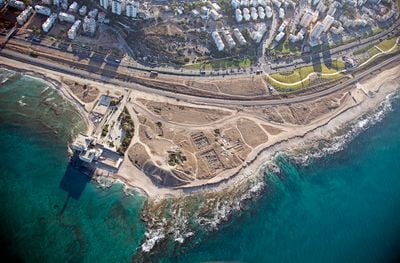
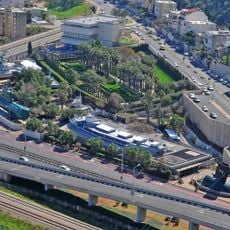
The tell lies on the coast of Haifa, just south of the National Institute of Oceanography and next to Hecht Park, with the excavated stone foundations and a looping sandy path visible on the flat ground above the rocky bluff. The site was declared a 1,677-dunam nature reserve and a 73-dunam national park in 2008, and finds from the excavations are displayed at the National Maritime Museum in Haifa. Ground is uneven and exposed, so sturdy shoes and sun protection are useful.
The purple dye found on painted pottery at the site was chemically confirmed to come from Murex sea snails, showing that potters used the same dye as the textile industry. Researchers now identify the site as the Christian town of Porphyreon (south), not the Jewish Shikmona.
The community of curious travelers
AroundUs brings together thousands of curated places, local tips, and hidden gems, enriched daily by 92,642 contributors worldwide.