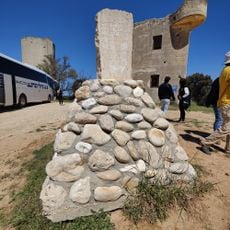
Maon Synagogue, Ancient synagogue ruins in Negev Desert, Israel
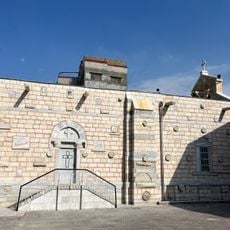
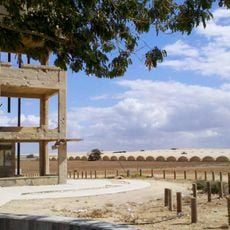
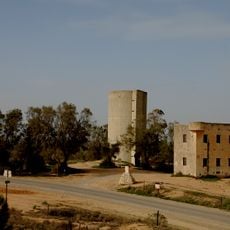
Maon Synagogue is a 6th-century basilica-plan building measuring 17 by 15 metres, with a ceiling of wooden beams and clay and three aisles separated by two rows of four columns. In the mid-6th century its north-eastern wall was breached and a semicircular apse facing Jerusalem was installed. The mosaic floor of the central hall, 10.2 by 5.4 metres, survives in its eastern half.
Maon was a Jewish settlement identified with Menois on the Madaba Map, at its height in the Byzantine 5th–6th centuries. The synagogue was found in 1957–1958 during road paving; in the mid-6th century its north-eastern wall was breached and an apse facing Jerusalem installed. The mosaic was moved to the Rockefeller Museum for restoration in 2006 and returned under a shelter in 2009.
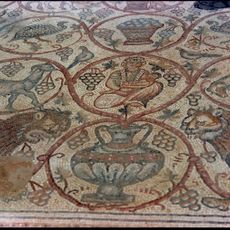
The mosaic's bottom panel shows an amphora flanked by two peacocks, with a vine issuing from it in loops filled with birds, animals, fruit and wine-making scenes. A seven-branched menorah stands on lion-shaped feet, beside two lions, palm trees, a shofar, lulav and etrog. A partly preserved Aramaic inscription names donors Doshin, Tuma and Yehuda, who gave two dinars. The floor is now sheltered and viewed from its edge, not walked on.
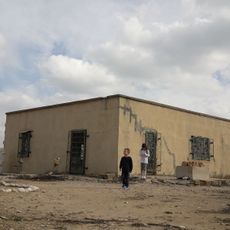
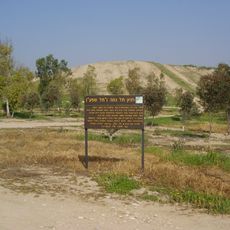
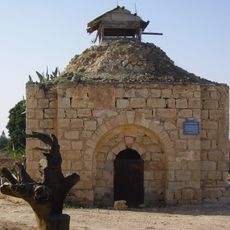
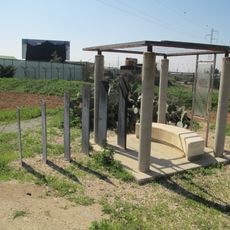
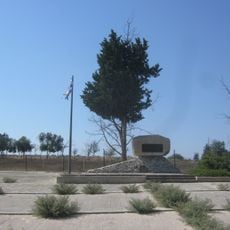
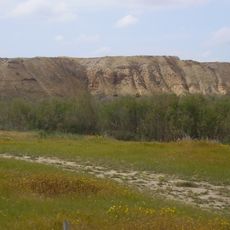
The mosaic lies in the central hall, with the two side aisles paved in stone, and a protective shelter now covers the floor. The site stands near Maon Junction, east of Kibbutz Nirim in the north-western Negev. A cistern, water channels and a mikveh lie beside the synagogue ruins.
The mosaic's menorah stands on three legs shaped like lion paws, modelled on the Temple menorah in Jerusalem. The same design appeared on the 50 Israeli lira banknote. A nearly identical floor was found in an ancient synagogue in Gaza.
The community of curious travelers
AroundUs brings together thousands of curated places, local tips, and hidden gems, enriched daily by 93,778 contributors worldwide.