Sulfur Quarry of Be'eri, Heritage sulfur quarry in Eshkol Regional Council, Israel.
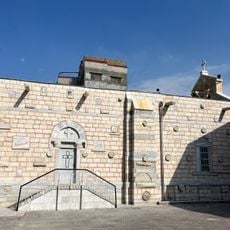
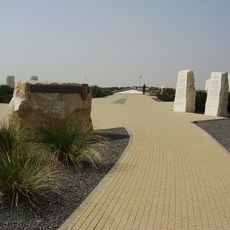
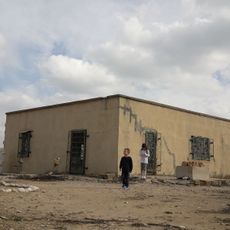
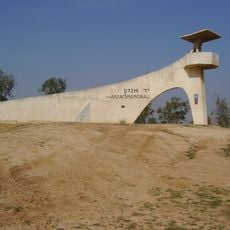
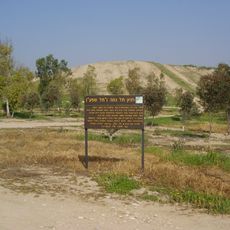
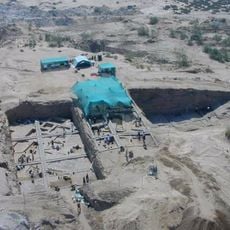
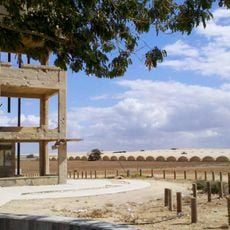
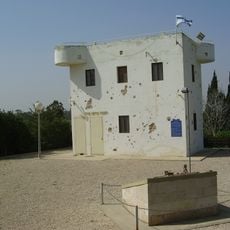
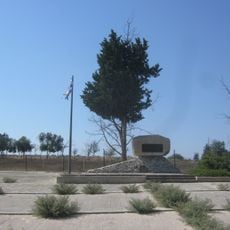
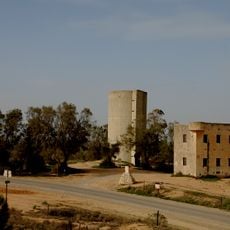
The Sulfur Quarry of Be'eri is a former mining site in the western Negev landscape featuring exposed mineral deposits and the remains of extraction facilities. The location clearly shows traces of quarrying work with visible pit openings and deteriorating structures from the industrial period.
A British mandate officer discovered substantial sulfur deposits in 1929, leading to the establishment of Palestine Sulfur Quarries Ltd in 1930. The quarry's operation represented an early effort to extract natural mineral resources under British administration in Palestine.
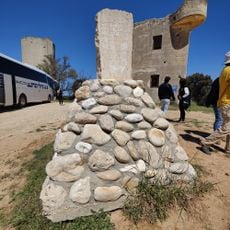
The site's Hebrew name, "Machtsvot HaGoferit Be'eri", ties the quarries to the Be'eri area, and the sulfur was mined by workers from Gaza, Bedouin from Sinai and later Horans from the Golan. Most of the sulfur was sold to Egypt, Turkey, Syria and Greece, with a smaller share used locally in agriculture. Remains of the factory furnace and the light railway that carried ore between the shafts can still be seen.
The quarry sits in a remote area and should be visited with proper footwear and caution, as pit openings and debris can be hazardous. Inquiring with local authorities beforehand about accessibility and any restrictions is wise to avoid unexpected obstacles.
The quarries yielded close to 8,800 tons of sulfur between 1933 and 1943, most of it sold to Egypt, Turkey, Syria and Greece, with a smaller share used locally in agriculture. Mining stopped briefly in 1938 for economic reasons and resumed on a reduced scale in 1941–1943. The factory building and light rail cars that carried ore between the shafts still stand on the site.
The community of curious travelers
AroundUs brings together thousands of curated places, local tips, and hidden gems, enriched daily by 92,641 contributors worldwide.