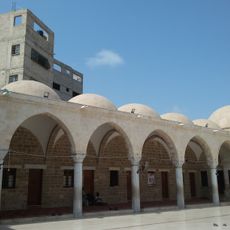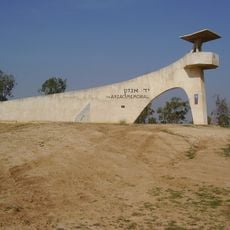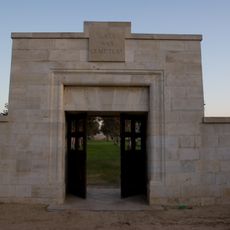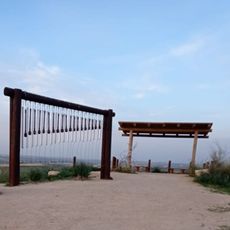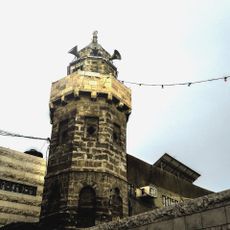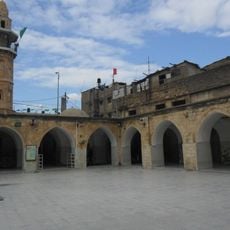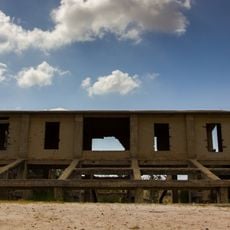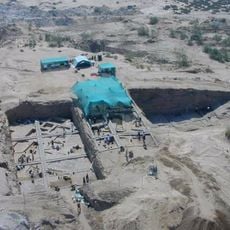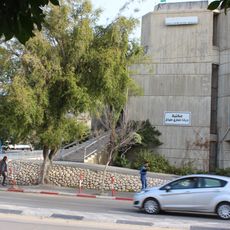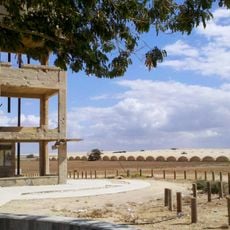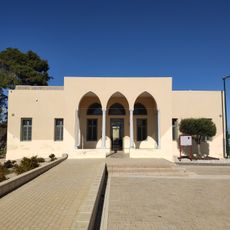
Gaza synagogue, Archaeological site of synagogue in Gaza City, Palestine.
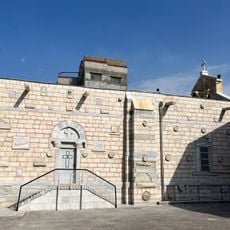
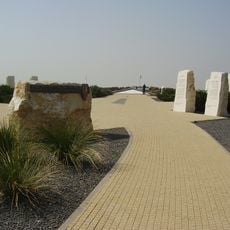
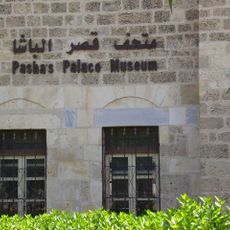
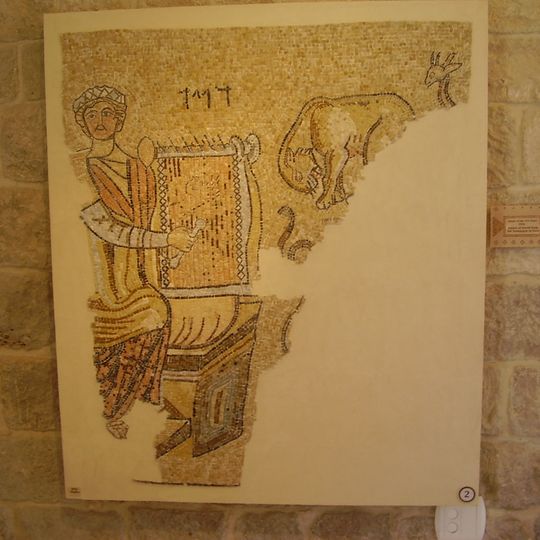
Gaza synagogue is an ancient religious site in Gaza City featuring a remarkable mosaic floor from the early 6th century. The floor displays intricate geometric and naturalistic designs with grapevines forming medallions and animal figures spread across the wide central nave and side aisles.
Egyptian archaeologists discovered the ruins in 1965, first mistaking it for a church before Hebrew inscriptions revealed its true nature as a synagogue. The structure was built in the early 6th century and reflects the cultural exchange between Jewish and Byzantine worlds during that era.
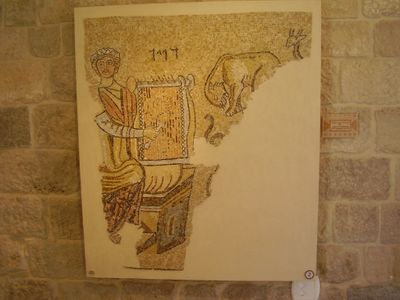
The central mosaic shows King David dressed in Byzantine imperial style playing a lyre, reflecting how Jewish and regional artistic traditions blended together. This type of royal figure was uncommon in synagogue decoration and shows how local artistic styles shaped religious spaces.
The remains are not currently open to visitors at the original site, but the preserved mosaic floor can be viewed at the Museum of the Good Samaritan near Jerusalem. This offers the best opportunity to study the ancient craftsmanship in detail from a secure location.
Two donors named Menahem and Yeshua commissioned the mosaic floor in the early 6th century, making it the largest synagogue discovered in the Holy Land. Their names and gifts are preserved in mosaic inscriptions, offering a personal glimpse into ancient Jewish patronage.
The community of curious travelers
AroundUs brings together thousands of curated places, local tips, and hidden gems, enriched daily by 91,676 contributors worldwide.