Ibn Uthman Mosque, Mamluk mosque in Gaza City, Palestine
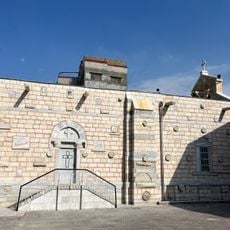
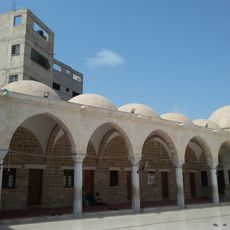
Ibn Uthman Mosque is a place of prayer built in the Mamluk architectural style in Gaza City. The building features a central courtyard surrounded by covered walkways decorated with marble inlays and intricate stonework throughout.
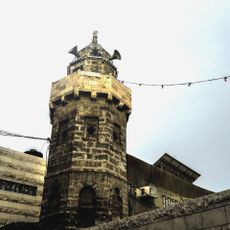
Sheikh Ahmad ibn Muhammad ibn Uthman, born in Nablus and known in Gaza as a holy man, founded the mosque that bears his name; he died in Mecca in 1402-03. In 1394-95 Emir Arzamak endowed the surplus of the Shuja'iyya market to maintain it. Its western facade, first rooms and minaret were built in 1399-1400, and Sultan Mu'ayyad Shaykh's works of 1418 gave the building its present size and form. It was destroyed by an Israeli airstrike in July 2024.
The mosque is named after Sheikh Ahmad ibn Muhammad ibn Uthman, a holy man from Nablus who settled in Gaza and died in Mecca in 1402-03; Mamluk-era literary sources confirm the attribution, though no inscription in the building names him. Local tradition counts him among the salihin, the righteous. The mosque was also the burial place of governor Sa'd al-Din Yilkhuja al-Nasiri, who died in Gaza in August 1446 and had asked to be buried there.
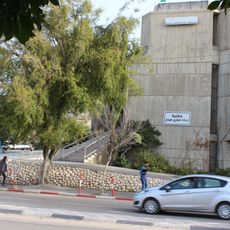
The mosque stands below street level on Suq Street in the Turukman Quarter of Shuja'iyya, with the large Shuja'iyya Market across from it. Its two entrance portals face west, with the minaret between them. The building was destroyed in July 2024 and its exterior is no longer intact, so it can no longer be entered.
The 1450 inscription of Sultan Jaqmaq above the entrance records his decree abolishing the taxation of imported salt in Gaza, not an internal administrative record. The mosque also holds the tomb of Sa'd al-Din Yilkhuja al-Nasiri, a governor of Gaza who died in August 1446 and had asked to be buried here.
The community of curious travelers
AroundUs brings together thousands of curated places, local tips, and hidden gems, enriched daily by 93,120 contributors worldwide.