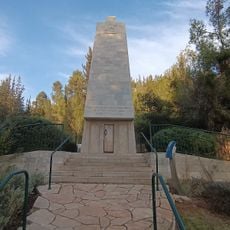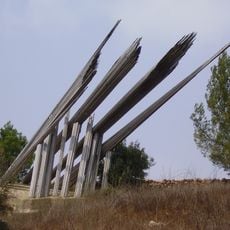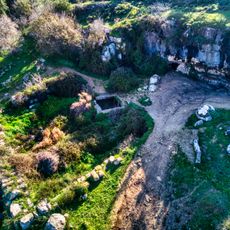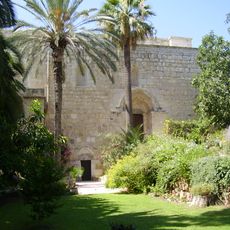
Kiriath-Jearim, Biblical archaeological site near Jerusalem, Israel
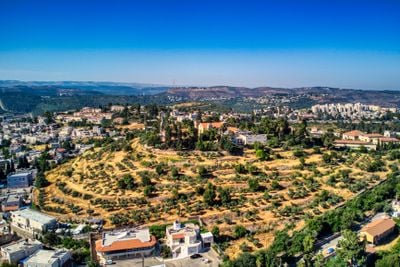
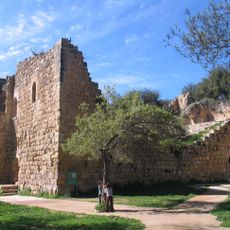
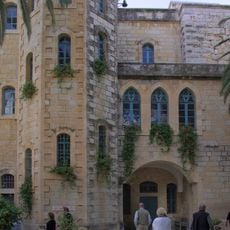
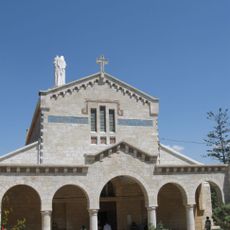
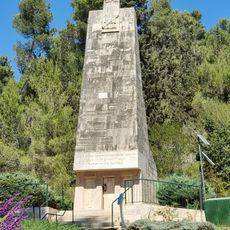
Kiriath-Jearim is an archaeological site on a hill near Jerusalem containing remains from multiple periods of settlement. A monastery and church now stand on the location, built above layers of ruins spanning different eras.
Kiriath-Jearim appears 18 times in the Hebrew Bible as a Hivite city linked to the Gibeonites and a landmark on the border between Judah and Benjamin. After the Ark of the Covenant returned from the Philistines at Beit Shemesh, it was brought here and kept for about twenty years, until David moved it to Jerusalem. The prophet Uriah, son of Shemaiah, came from the town; King Jehoiakim (r. 609–598 BC) had him extradited from Egypt and executed. Descendants of its inhabitants returned from the Babylonian exile with Zerubbabel.
The Hebrew name means "city of woods"; the town was also called Kiriath-Ba'al, Ba'alah and Ba'ale-Judah, pointing to earlier Baal worship there. The prophet Uriah, son of Shemaiah, came from Kiriath-Jearim and was executed by King Jehoiakim after fleeing to Egypt. Descendants of its inhabitants returned from the Babylonian exile with Zerubbabel.
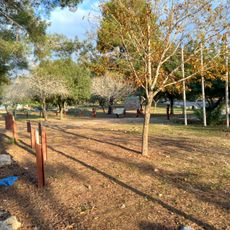
The site is reached on foot from Abu Ghosh, about 11 km west of Jerusalem; the hilltop holds the Deir el-Azar monastery and the unexcavated tel, with stone terraces and paths crossing the slope. Excavation by Tel Aviv University and the Collège de France began in 2017, so parts of the hill may be fenced off.
The site had not been excavated until 2017, when teams from Tel Aviv University and the Collège de France began digging on the hill. Earlier explorers had placed biblical Kiriath-Jearim elsewhere: Conder and Henderson identified it with Khirbet 'Erma, while Edward Robinson argued for Deir el-Azar.
The community of curious travelers
AroundUs brings together thousands of curated places, local tips, and hidden gems, enriched daily by 93,856 contributors worldwide.