Palestine Final Fortress, British military defense site in Mount Carmel, Israel
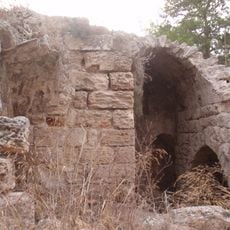
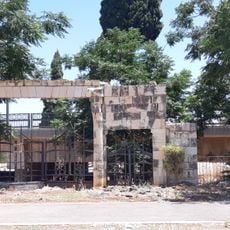
Palestine Final Fortress was a 1942 British defence plan, not a single built site: a fortified line of positions, communication trenches, bunkers, heavy-weapon posts and artillery pits running from Mount Carmel through the Gilboa and the Jordan Valley to the cliffs of the Dead Sea. A skeleton division headquartered at Tulkarm was to hold it, backed by a larger corps. Surviving Carmel bunkers remain visible.
British forces established this defensive plan in 1942 during World War II to counter potential German invasions moving through Syria and Lebanon into Mandatory Palestine. The site was designed as a response to the threat of enemy forces advancing from the north.
The Yishuv's own plans for the abandoned British works were nicknamed "Masada on the Carmel" and "Haifa-Masada-Musa Dagh", after the desert fortress of Masada. The name was a watchword among Jewish leaders during the "200 days of dread" of 1942, not a British designation.
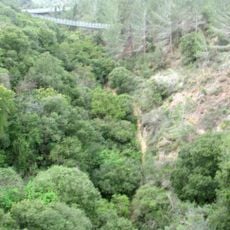
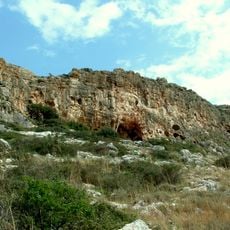
The Mount Carmel sector was declared a closed military area in early 1942, and engineering units and construction firms such as Solel Boneh dug positions, cut access roads and reinforced bunkers there. The defences were abandoned during 1942–1943 as the fighting shifted to North Africa, and no battle took place. Surviving bunkers and trenches remain in the Carmel woods; the terrain is steep and wooded, so follow marked paths and carry water.
The fortress plan incorporated natural geographical features that would have hindered movements of enemy tank divisions advancing from the north. This strategy shows how planners used the landscape itself as a weapon against modern military technology.
The community of curious travelers
AroundUs brings together thousands of curated places, local tips, and hidden gems, enriched daily by 92,640 contributors worldwide.