Hinganghat, human settlement
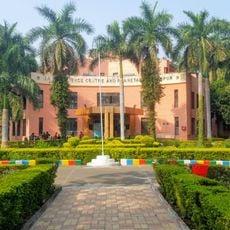
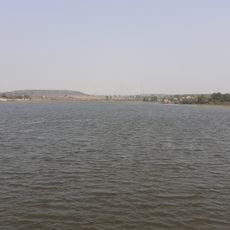
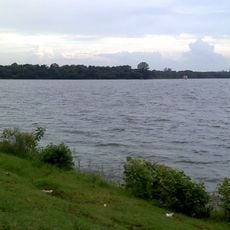
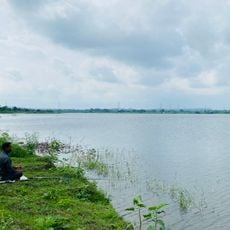
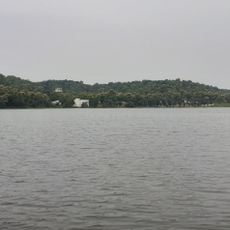
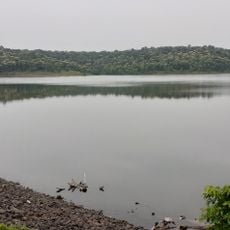
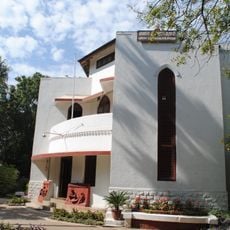
Hinganghat is a town in Wardha district of Maharashtra located on the left bank of the Wunna River in a fertile valley with over 100,000 residents. The town covers about 13 square kilometers and has developed modern administrative structures including courts, police stations, and government offices since becoming a municipality in 1867.
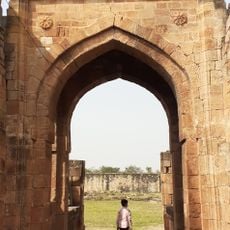
Hinganghat traces back to the 5th century when it was part of the Vakataka dynasty and known by the name Dandungram. Colonial rule in the 19th century brought cotton mills and processing facilities that accelerated its growth as a trading hub.
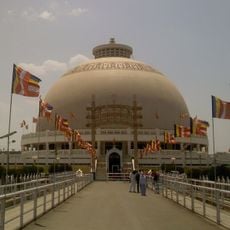
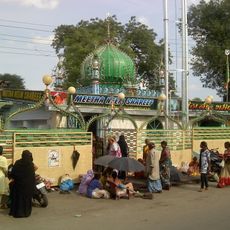
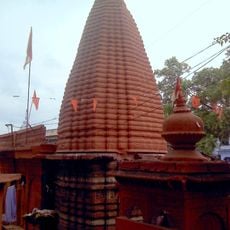
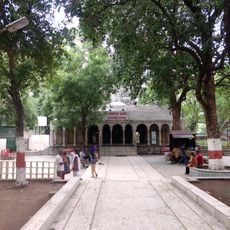
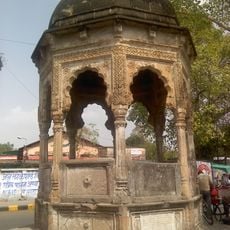
The town has deep religious roots visible in temples dating from the 18th century that draw gatherings during festivals like Navratri and other celebrations. The local population practices Hindu traditions alongside a notable Buddhist community influenced by the reform movement of Dr. B.R. Ambedkar.
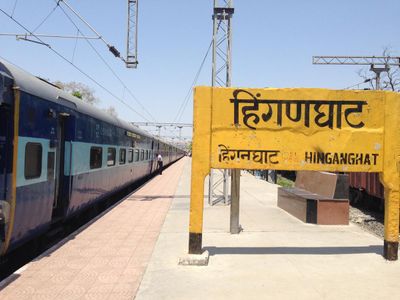
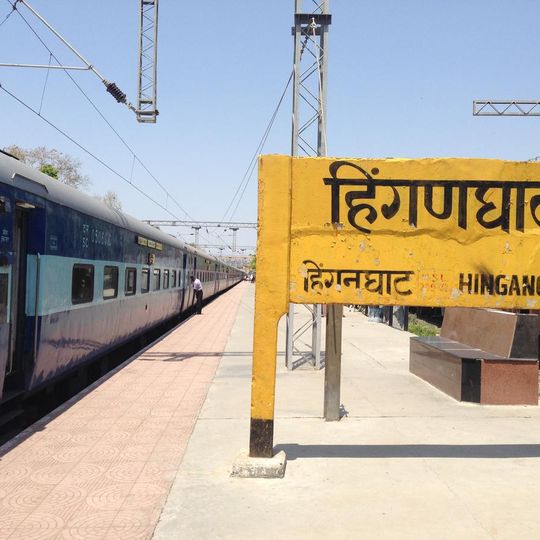
The city connects to larger cities like Nagpur and Mumbai via National Highway 44, and the railway station serves many trains across India for passengers and freight. The nearest airport is about 70 kilometers away in Nagpur, and buses regularly connect the city to neighboring towns.
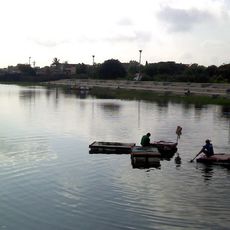
The name Hinganghat comes from the abundant hingan trees in the area and the river steps or ghats along the Wunna River that historically enabled trade and travel through the region. Baba Amte, a renowned social worker born here in 1914, devoted his life to helping leprosy patients and founded the Anandwan community that continues to exist today.
The community of curious travelers
AroundUs brings together thousands of curated places, local tips, and hidden gems, enriched daily by 92,710 contributors worldwide.