Champaner-Pavagadh Archaeological Park, Archaeological park in Panchmahal district, India.
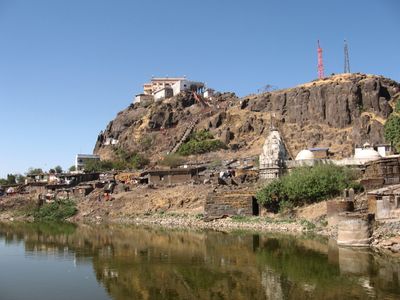
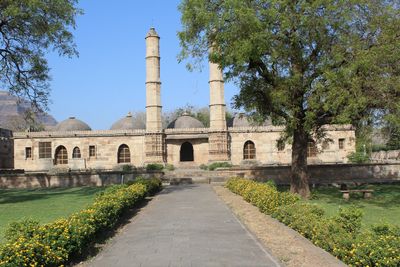
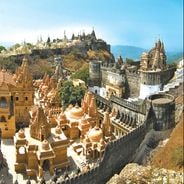
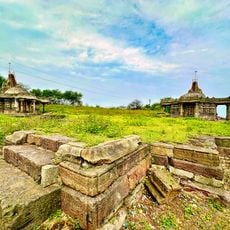
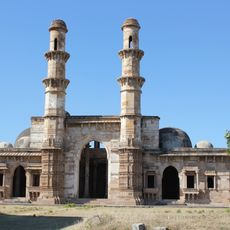
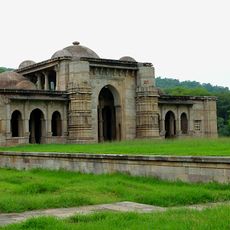
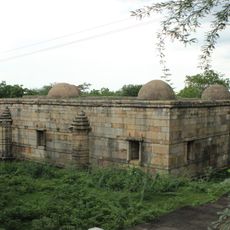
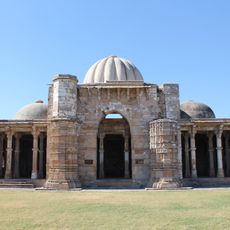
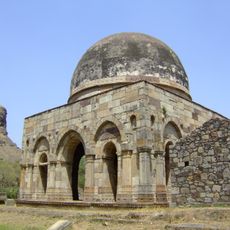
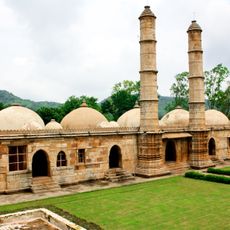
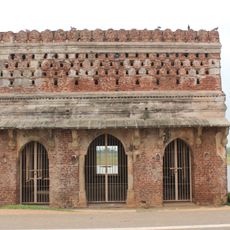
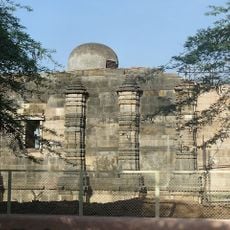
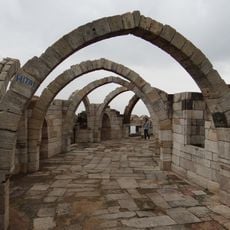
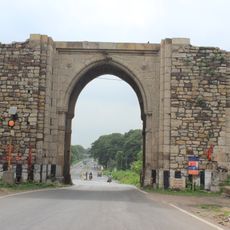
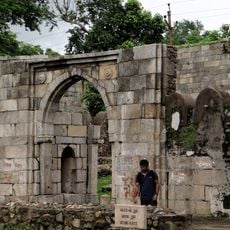
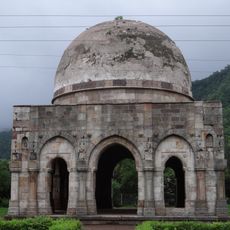
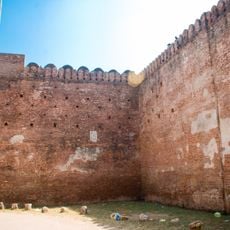
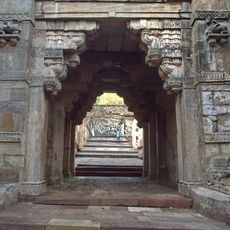
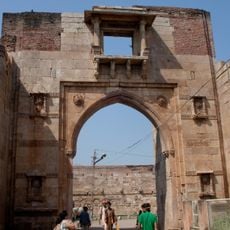
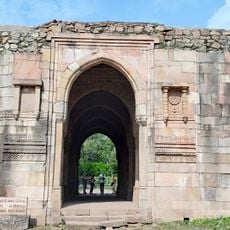
Champaner-Pavagadh Archaeological Park is an excavated site in the Panchmahal region containing ruins of fortresses, palaces, temples, and mosques from different periods. The grounds spread across hilly terrain with structures at ground level and on Pavagadh Hill, where the Kalika Mata Temple stands.
Champaner was founded in the eighth century by Vanraj Chavda, the most prominent king of the Chavda dynasty, who named it after his friend and general Champa. In 1484, after a siege of about twenty months, Sultan Mahmud Begada captured the hill fort, renamed the city Muhmudabad-Champaner and moved his capital there from Ahmadabad. His successors ruled from Champaner until Bahadur Shah's death in 1536; in 1535 Emperor Humayun invaded and looted the coffers.
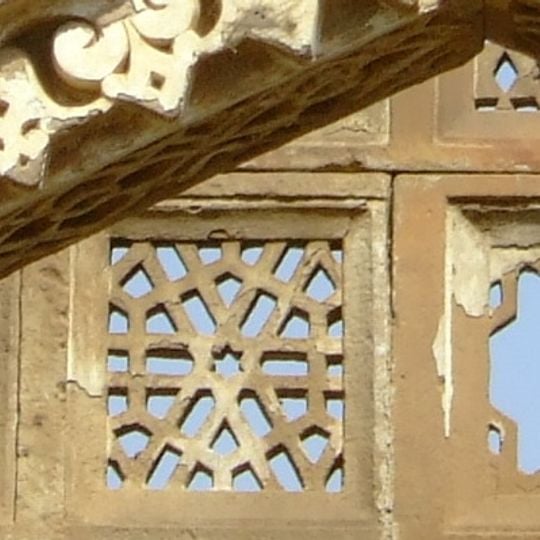
Champaner takes its name from Champa Bhil, a Bhil king who built the fort there. The Kalika Mata Temple on Pavagadh Hill draws pilgrims year-round; a local legend holds that the goddess's right toe fell on the hill. The site also records the shift from Hindu to Islamic architecture in the late 15th and early 16th centuries.
The site is reachable by road and you can explore the grounds on foot, making comfortable shoes a good idea. The best time to visit is during the cool season, as summer months are very hot.
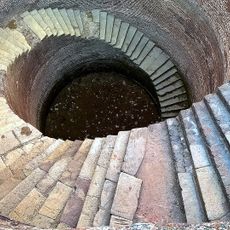
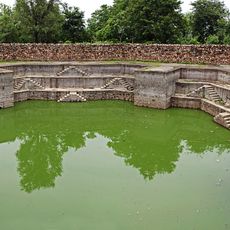
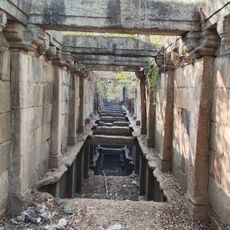
The site contains ancient step-wells and water storage systems that show how residents collected and distributed water in this hilly area. These water structures are still visible today and demonstrate sophisticated engineering from earlier times.
The community of curious travelers
AroundUs brings together thousands of curated places, local tips, and hidden gems, enriched daily by 92,715 contributors worldwide.