Kevada Mosque, Islamic monument in Champaner, India
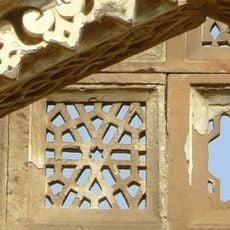
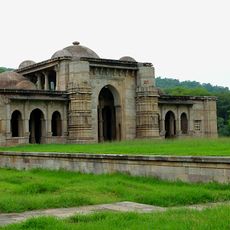
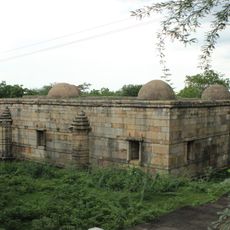
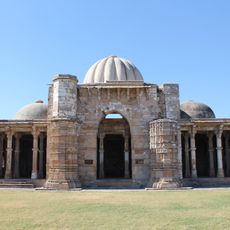
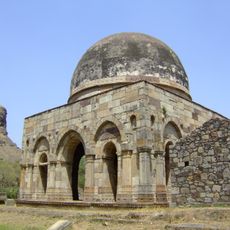
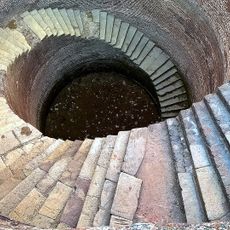
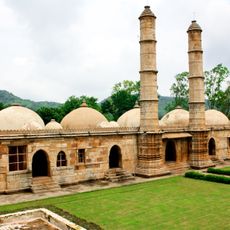
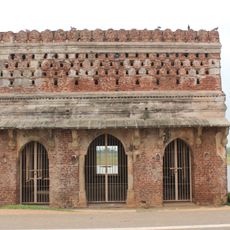
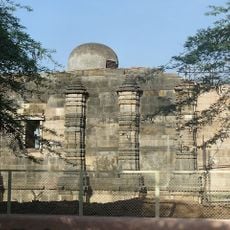
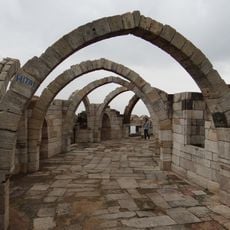
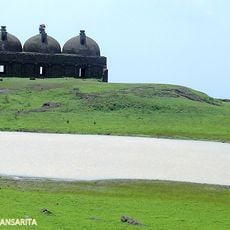
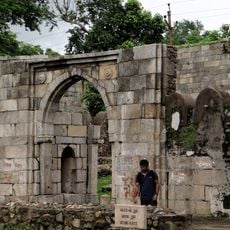
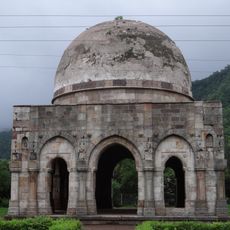
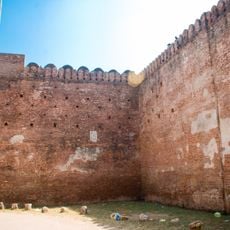
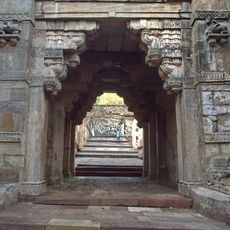
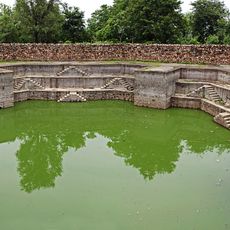
Kevada Mosque is a former mosque in Champaner, Gujarat, with a rectangular layout, two carved minarets and a double-storied prayer hall whose three domes lost the central one. Its many mihrabs are intricately carved, and windows have balconies on decorated pillars. Beside a damaged brick ablution tank stands a square cenotaph with a fluted central dome and four corner domes.
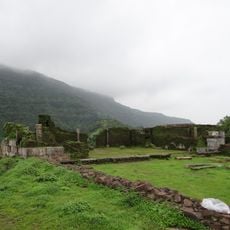
This monument was built in the 15th century under Mahmud Begada's rule and demonstrates the architectural innovations of the Gujarat Sultanate. It stands within the Champaner-Pavagadh Archaeological Park.
The mosque is named after the pandanus (kevda) plants that grow around it. Its prayer hall was built as a double-storeyed structure, and the cenotaph beside the ablution tank marks a burial. The building is now a protected heritage site within the Champaner-Pavagadh park.
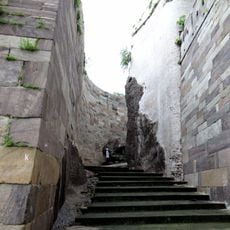
The mosque is a former mosque and heritage site, not an active place of worship, so no sacred-site dress code applies. It lies in Champaner within the Champaner-Pavagadh Archaeological Park, west of the Kathra Mosque. The rectangular layout is entered past a damaged brick ablution tank, with narrow stairs in the structure. Restoration was carried out in the 1890s and again under the ASI in the 2000s.
The cenotaph beside the mosque is square, with a fluted central dome and four corner domes, and stands next to a damaged brick tank for ablutions before prayer. The mosque is noted chiefly because of this mausoleum, and the Kathra Mosque lies to its west.
The community of curious travelers
AroundUs brings together thousands of curated places, local tips, and hidden gems, enriched daily by 92,927 contributors worldwide.