Kaziranga National Park, National park in Assam, India
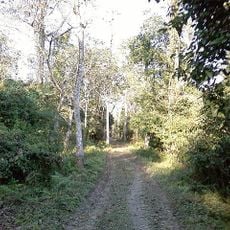
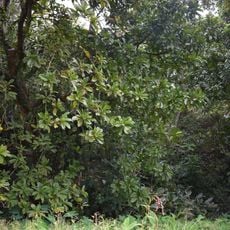
Kaziranga National Park covers 378 km² of tall elephant grass, marshland and dense tropical moist broadleaf forest on the southern bank of the Brahmaputra, which forms its northern and eastern boundaries. Its landscape of exposed sandbars, flood-formed lakes called beels and raised chapories lies between 26°30' and 26°45' N. The park runs about 40 km east to west and 13 km north to south.
Mary Curzon pressed for the creation of a protected reserve in 1905 after she failed to see any rhinoceros during her visit. Colonial authorities then declared the area a reserve, which later expanded into a national park.
The name Kaziranga is explained by local legends: one tells of Kazi, a youth from Karbi Anglong, and Rawnga, a girl from a nearby village, who vanished into the forest. In Karbi, kazi means goat and rangai red, giving "land of red goats", read as deer. Seventeenth-century Ahom records note King Pratap Singha praising fish from Kaziranga.
Four-wheel drive vehicles and guided excursions provide access to different zones between November and April, while the facility closes during monsoon months from June to October. Visitors should bring warm clothing for early morning hours when wildlife viewing is most productive.
The area shelters more than 2200 one-horned rhinoceros, representing roughly two thirds of all living individuals of this species. Annual flooding creates new water bodies and reshapes the landscape, renewing habitat conditions for many animal species.
The community of curious travelers
AroundUs brings together thousands of curated places, local tips, and hidden gems, enriched daily by 93,467 contributors worldwide.