Ajmer, Pilgrimage city in Rajasthan, India
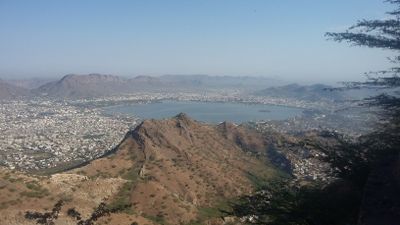
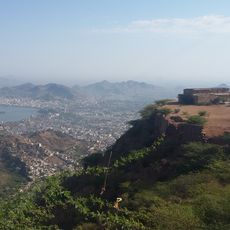
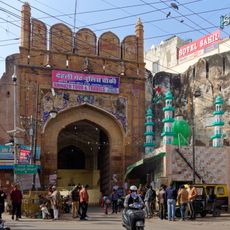
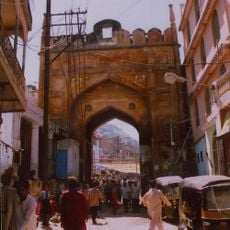
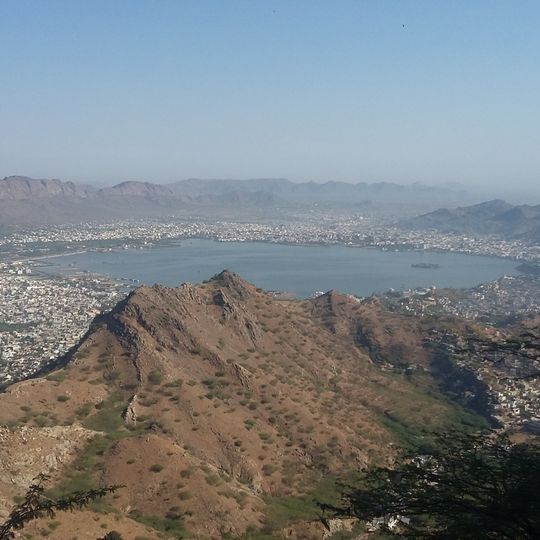
Ajmer is a pilgrimage destination in northwestern India that spreads over the lower slopes of Taragarh Hill in the Aravalli Mountains at an elevation of roughly 486 meters. The old town with its narrow lanes centers around the large Dargah complex, while newer neighborhoods extend toward the main roads and modern residential areas rise alongside traditional markets.
A Rajput king founded the settlement in the 7th century, which later came under the Delhi Sultanate and then became an important center of Mughal rule. British colonial administration took over the region in the 19th century before it joined Rajasthan after independence.
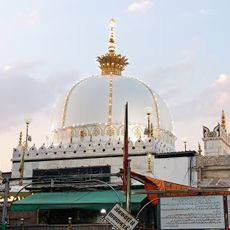
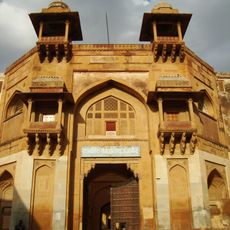
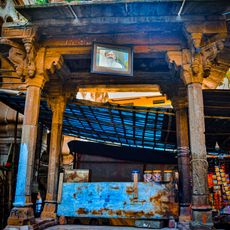
The shrine that holds the tomb of the Sufi saint draws pilgrims from several religious traditions, who bring flower garlands and cloth offerings. Visitors enter the complex barefoot and follow rituals with prayers and chants, while incense burns continuously and musicians accompany the spiritual atmosphere.
Visiting in the early morning or late afternoon helps avoid the largest crowds, especially during religious festivals. The pathways around the shrine are mostly paved, but cobblestones in the older market lanes can be uneven.
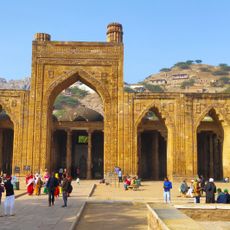
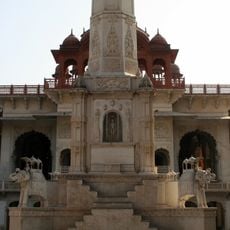
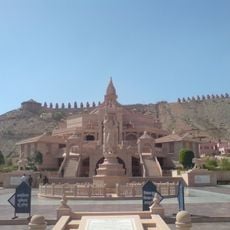
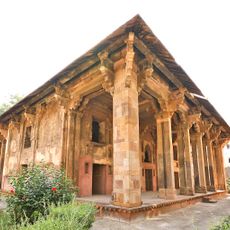
Marble pavilions at Ana Sagar Lake date from the reign of a Mughal emperor and were originally built as resting places for the court. An old Jain temple was converted into a mosque and now displays elements of both faiths on its walls and ceilings.
The community of curious travelers
AroundUs brings together thousands of curated places, local tips, and hidden gems, enriched daily by 90,814 contributors worldwide.