Indian Agricultural Research Institute, Agricultural research institute in Delhi, India
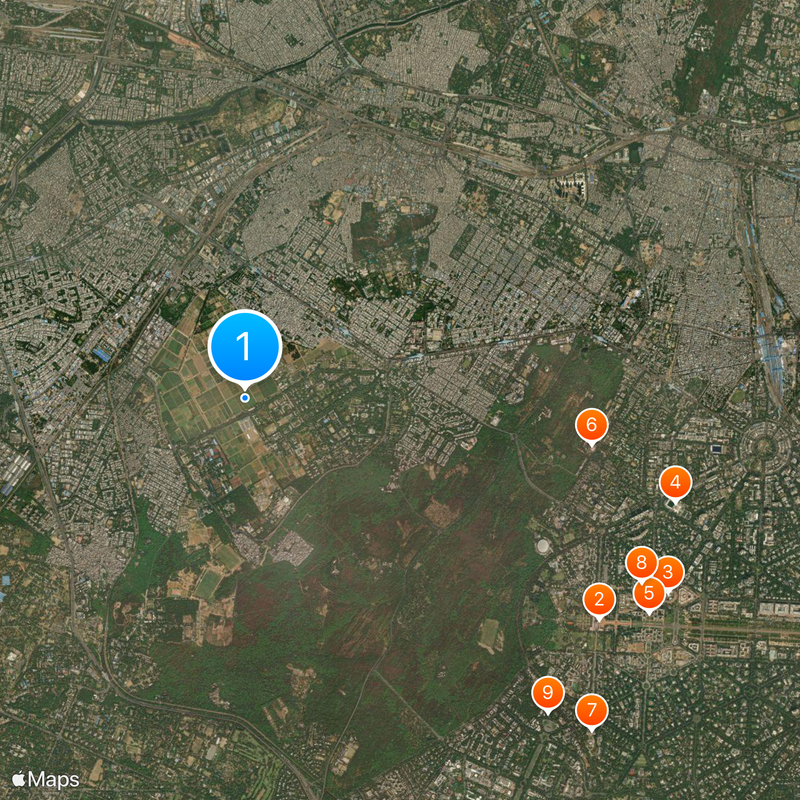
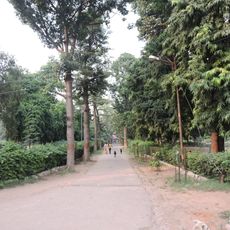
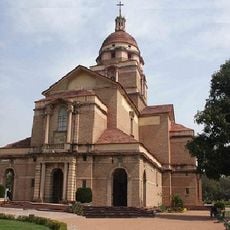
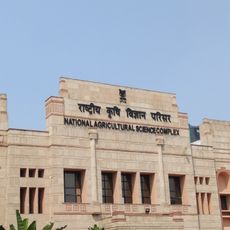
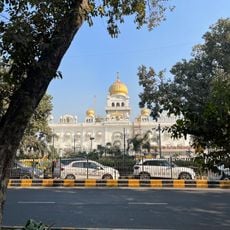
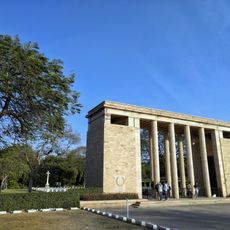
Indian Agricultural Research Institute is a research institute in Delhi, India, with laboratories, experimental fields and libraries spread across a large campus on the city edge. The facilities include greenhouses, trial plantations and administrative buildings connected by wide avenues.
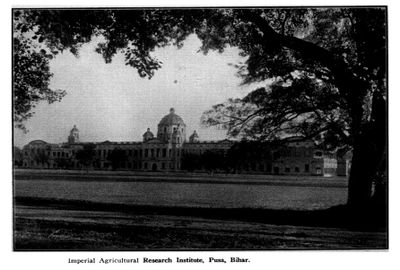
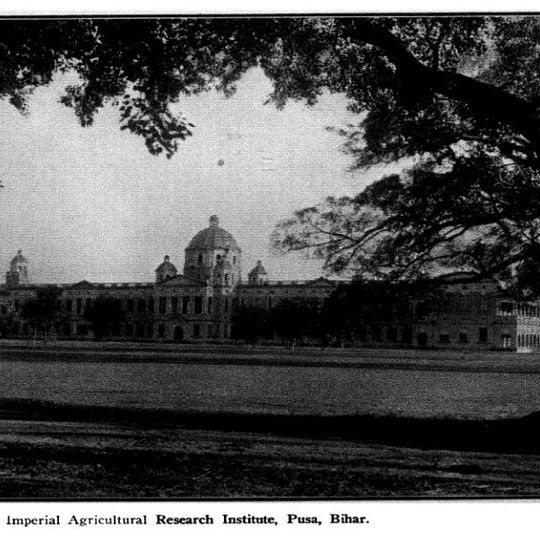
The institute began in 1905 in Bihar under British administration and moved to Delhi in 1936 after an earthquake damaged the original site. Over the following decades, it developed high-yield varieties that transformed Indian agriculture.
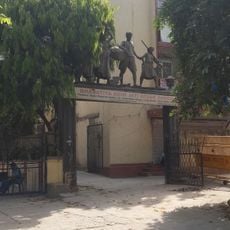
The main entrance honors geneticist Monkombu Swaminathan, whose research contributed to India's green revolution. Inside, hundreds of scientists work on plant breeding and soil analysis, while farmers from rural regions arrive for training courses.
The library is open to visitors and offers access to publications on plant research and cultivation techniques. Guided tours through the greenhouses and experimental fields must be arranged in advance.
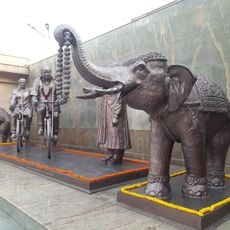
The campus houses a small museum with old plows, harvesting tools and models of irrigation systems from different regions of India. One section displays panels showing the development of new grain varieties through decades of crossbreeding experiments.
The community of curious travelers
AroundUs brings together thousands of curated places, local tips, and hidden gems, enriched daily by 91,915 contributors worldwide.