Secretariat Building, Government building in New Delhi, India
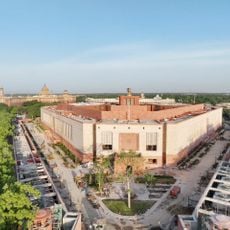
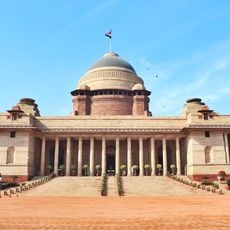
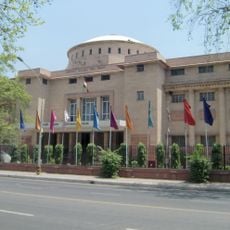
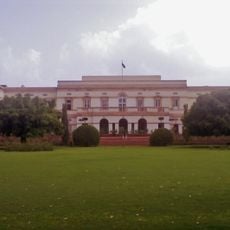
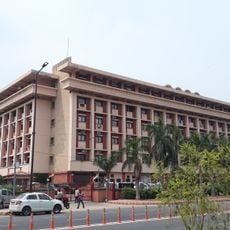
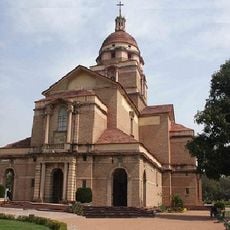
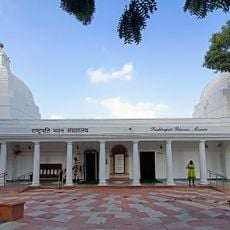
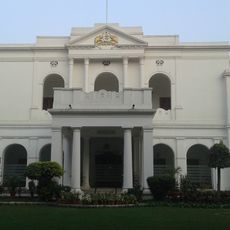
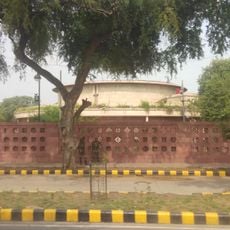
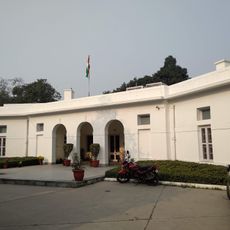
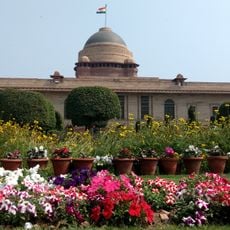
The Secretariat Building consists of two symmetrical wings made from cream and red Dholpur sandstone, featuring domes, colonnaded balconies, and detailed stone screens. The two blocks face each other and form an architectural pair along Raisina Hill, housing several important ministries.
New Delhi was planned after Delhi became the capital of British India in 1911. Herbert Baker, who had practised in South Africa from 1892 to 1912, designed the Secretariat, the only building besides the Viceroy's House to stand on Raisina Hill. Baker placed the hill so that it largely hid the Viceroy's House from Kartavya Path, and he built the Secretariat as tall as the Viceroy's House against Lutyens' wishes. The complex has housed central government ministries since independence.
The name Secretariat reflects its function as the home of India's central ministries after independence, while the architecture combines Mughal elements with regional Rajasthan details. Today thousands of civil servants work inside both wings, though visitors can observe the domes and stone screens from the outside.
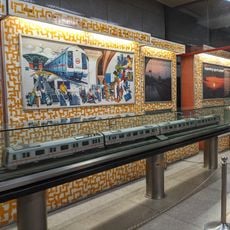
The Central Secretariat metro station provides direct access to the complex, which houses several key ministries including Defense, Finance, and External Affairs. The building is an active government site and access inside is restricted, but the exterior can be viewed from the surrounding streets and gardens.
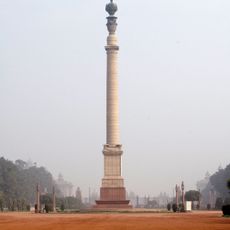
Four dominion columns stand in front of the building, representing contributions from Canada, Australia, New Zealand, and South Africa during the British colonial period. These columns commemorate the shared funding of the new capital complex by the Commonwealth.
The community of curious travelers
AroundUs brings together thousands of curated places, local tips, and hidden gems, enriched daily by 94,065 contributors worldwide.