National Museum, National museum in New Delhi, India
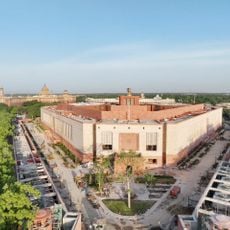
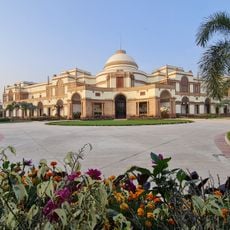
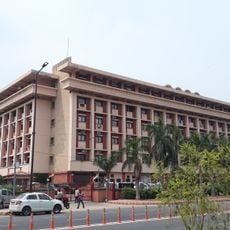
The National Museum is a large history and art museum in New Delhi that spans several floors and displays works from prehistoric times to the modern period. The halls are organized by era and theme, allowing visitors to walk through centuries of Indian art and heritage.
The museum grew out of the 1947–48 Exhibition of the Art of India and Pakistan at Burlington House, London, organised by the Royal Academy of Arts. The Gwyer Committee, headed by Sir Maurice Gwyer with Sir Mortimer Wheeler, had proposed a national museum in 1946. The exhibits were shown in the state rooms of Rashtrapati Bhavan from 15 August 1949, inaugurated by C. Rajagopalachari. Construction at Janpath began in 1955; the building opened in 1960, with Grace Morley as first director.
The museum's name reflects its role as a national collection, not a Sanskrit term. Its founding was driven by the 1947–48 Royal Academy exhibition in London, after which Nehru supported keeping the objects in India. Visitors can see the bronze Dancing Girl from the Harappan period and the Rampurva Bull, which remained at Rashtrapati Bhavan at Nehru's request.
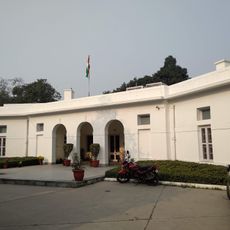
The entrance is located at a busy intersection in the center of the city, and the museum is open Tuesday through Sunday. Visitors should plan several hours to see the main galleries.
The archives hold thousands of manuscripts in many languages, including old medical texts and astronomical treatises. A dedicated institute within the building has been training specialists in art history for decades.
The community of curious travelers
AroundUs brings together thousands of curated places, local tips, and hidden gems, enriched daily by 94,149 contributors worldwide.