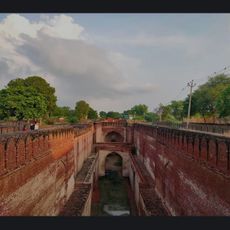
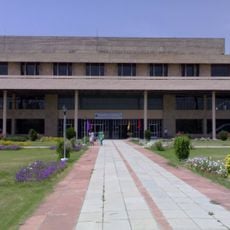
Agroha Mound, Archaeological site in Hisar district, India.
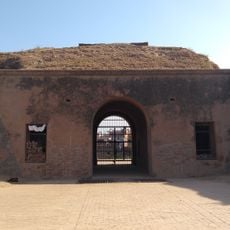
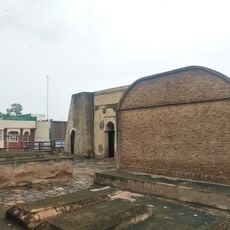
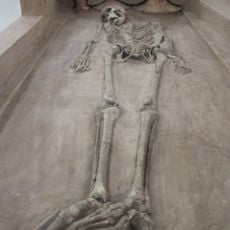
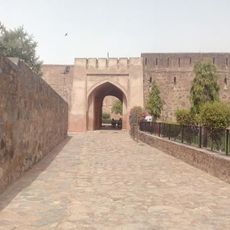
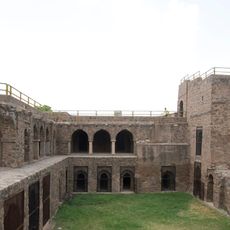
Agroha Mound is an archaeological site in Hisar district that preserves layers of an ancient settlement with defensive structures and living spaces. Excavations have revealed the physical layout of a community that developed and changed over centuries of habitation.
Excavations began with a 15-day campaign by C.J. Rogers in 1888–89, followed by H.L. Srivastava's work in 1938–39 and digs by J.S. Khatri and Acharya from 1978 to 1981. The mound was declared a protected site of national importance in 1926. Muhammad of Ghor destroyed Agroha in 1194, and Firoz Shah Tughlaq later reused temple material for his palace complex.
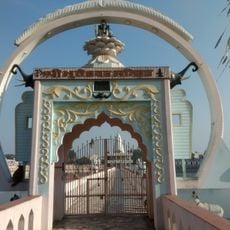
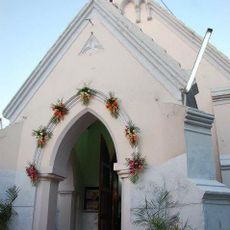
Local people call the mound Ther, and the Agrawal community regards it as the capital of their legendary founder, Maharaja Agrasena, a Suryavanshi Kshatriya king placed in the Mahabharata era. The Agrawal organisations Akhil Bharatiya Agrawal Sammelan and Agroha Vikas Trust have funded research here, and in 1908 the sadhu Brahmananda Brahmachari organised the Agrawal Darbar, which built a Shiva temple, Sati shrines and a gaushala.
The 125-acre mound lies 1.5 km east of Agroha town centre on National Highway 9, 20 km from Hisar and 190 km from New Delhi. The excavated area is open ground with little shade, so carry water and sun protection. The site is a protected monument; the planned site museum and visitor centre are not yet built.
Among the finds were 51 silver coins stamped Agrodaka, the site's own name, alongside four Indo-Greek issues and a single punch-marked coin. Seals recovered from the mound carry personal names such as Pitradutt and Sadhu Vridhasya.
The community of curious travelers
AroundUs brings together thousands of curated places, local tips, and hidden gems, enriched daily by 92,734 contributors worldwide.