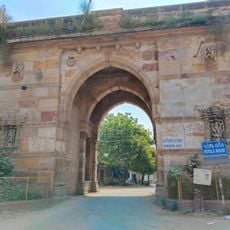
Jessore Sloth Bear Sanctuary, Protected area for sloth bears in Banaskantha, India
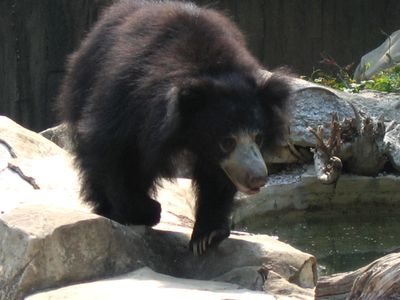
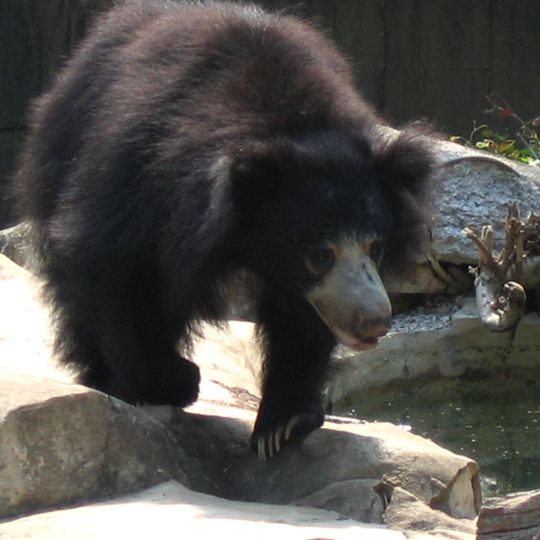
Jessore Sloth Bear Sanctuary covers about 180.66 km2 of the Jessore hills in the Aravallis, south of the Thar Desert, in Banaskantha district, Gujarat. Its arid to semiarid dry deciduous thorny scrub lies between desert and Khathiar-Gir dry deciduous forest. The sloth bear has shaggy black fur, thickest at the neck and shoulders, a pale grey muzzle and long claws for gripping rock and tearing termite mounds.
Jessore Sloth Bear Sanctuary was declared in May 1978, covering about 180.66 km² of the Jessore hills in the Aravalli range, south of the Thar Desert. It was established principally to protect the sloth bear, now listed as Vulnerable on the IUCN Red List. A GEF/UNDP-supported project later chose Jessore and Balaram-Ambaji as demonstration sites for conserving dryland biodiversity in North Gujarat.
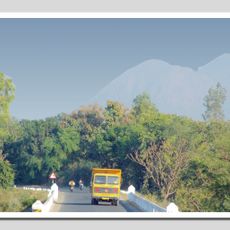
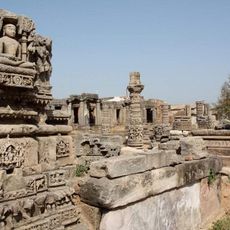
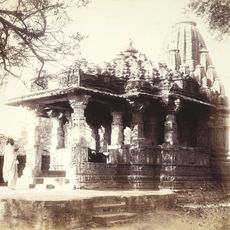
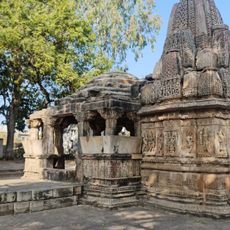
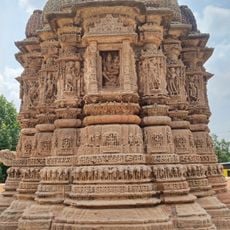
The name comes from Jessore hill, the backdrop to the sanctuary, in the Aravalli range. Inside the reserve stands a temple to Kedar Nath Mahadev, visited by large numbers of pilgrims in October and November. The bear's English name began as "bear sloth": hunters in India saw the animals hanging upside down from branches and identified them with the South American sloth.
Visitors can stay in forest department cottages and have the best chances to see wildlife during the monsoon and winter seasons. Access conditions vary, so it helps to check ahead before planning your visit.
The sanctuary's dry deciduous thorn scrub holds 406 plant species, 89 of them recorded as medicinal, and 105 bird species including the white-winged black tit and Indian vulture. Six plant species endemic to India grow here, among them Tecomella undulata and Chlorophytum borivilianum.
The community of curious travelers
AroundUs brings together thousands of curated places, local tips, and hidden gems, enriched daily by 92,678 contributors worldwide.