Nevasa, human settlement in India
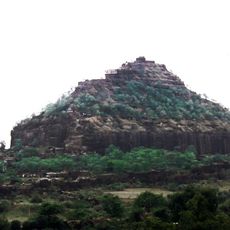
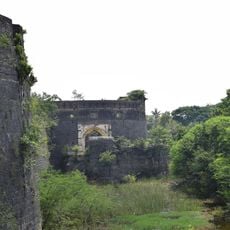
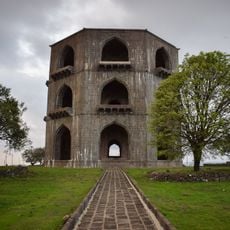
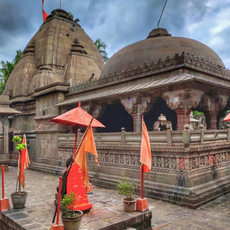
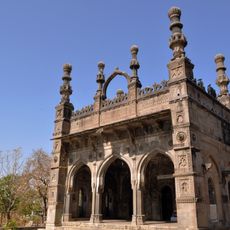
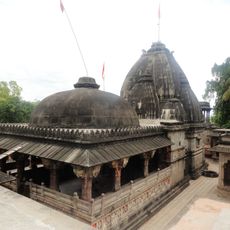
Nevasa is a small town in Ahmednagar district, Maharashtra, India, situated along the Pravara River in a fertile lowland area. The settlement consists of simple brick houses and narrow streets, with the distinctive Mohiniraj Temple from 1773 as its dominant landmark and fields stretching in all directions.
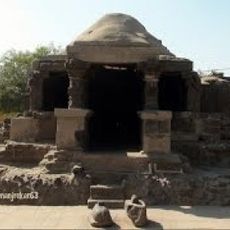
Nevasa has human settlements reaching back thousands of years, with archaeological findings of tools and pottery from the Stone Age through the Middle Ages. The town served as an important trade hub in ancient times along routes connecting inland Maharashtra to coastal ports, as evidenced by artifacts from the Indo-Roman trade network.
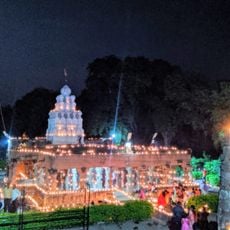
The name Nevasa comes from the local Marathi language and connects to the region's farming identity. During festivals like Ganesh Chaturthi, the town comes alive with music, dances, and colorful decorations as families gather for religious ceremonies and community prayers.
The town is best explored on foot or by local transport, with narrow streets and flat terrain making navigation easy. Visitors should respect local customs, especially at religious sites, and prepare for warm to hot conditions, particularly during summer months.
Archaeological excavations in Nevasa have uncovered some of the earliest known rotary querns alongside artifacts from ancient cultures like the Malwa and Jorwe cultures. These findings reveal the region's importance in early Indian history and document the shift from hunting and gathering societies to agricultural communities.
The community of curious travelers
AroundUs brings together thousands of curated places, local tips, and hidden gems, enriched daily by 92,638 contributors worldwide.