Port of Kolkata, River port in Kolkata, India.
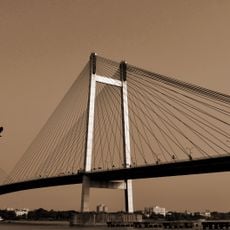
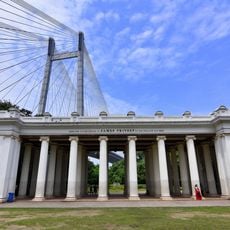
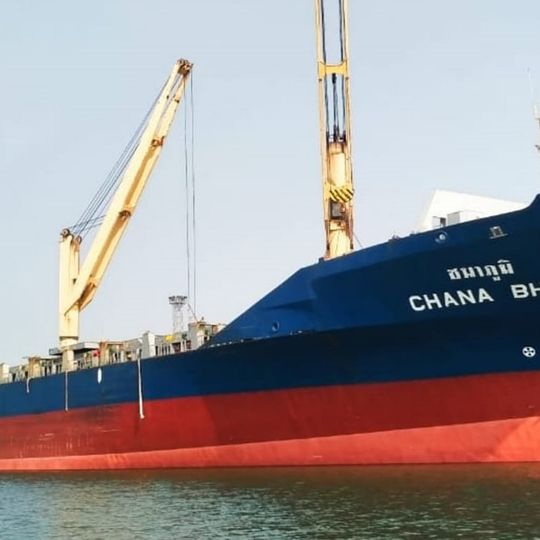
The Port of Kolkata is a river port on the banks of the Hooghly River with two main dock systems for cargo, container, and passenger ships. The facilities spread across multiple wharves with warehouses, cranes, and loading zones for different vessel types along the waterway.
The port began in the late 17th century as a trading post for the British East India Company and grew into the main sea gateway for commerce with eastern India. Modern docks were built during the 19th century to accommodate larger steamships and handle growing trade volumes.
The port's name honours Syama Prasad Mookerjee, and it is officially the Syama Prasad Mookerjee Port. From 1838 to 1917 the British shipped over half a million Indians from here, mostly from Bhojpur and Awadh, as indentured labourers to Mauritius, Fiji, South Africa, Trinidad and Tobago, Guyana, Suriname and other Caribbean islands. Their descendants, millions of Indo-Mauritians, Indo-Fijians and Indo-Caribbeans, trace roots to this traffic.
Visitors can view parts of the port from public walkways and roads along the river, though access to working areas is restricted to authorized personnel. Early morning or late afternoon hours provide the best light and clearest views of ship movements along the wharves.
The port lies about 203 kilometres (126 mi) from the sea, making it India's only riverine major port. It is a freshwater port with no variation in salinity. As of March 2018 it could handle 650,000 containers a year, mostly from Nepal, Bhutan and India's northeastern states.
The community of curious travelers
AroundUs brings together thousands of curated places, local tips, and hidden gems, enriched daily by 92,702 contributors worldwide.