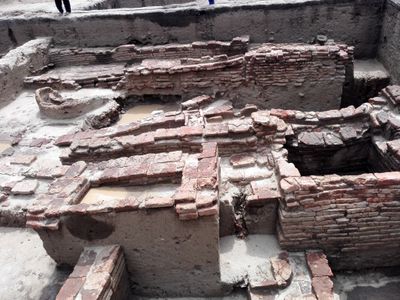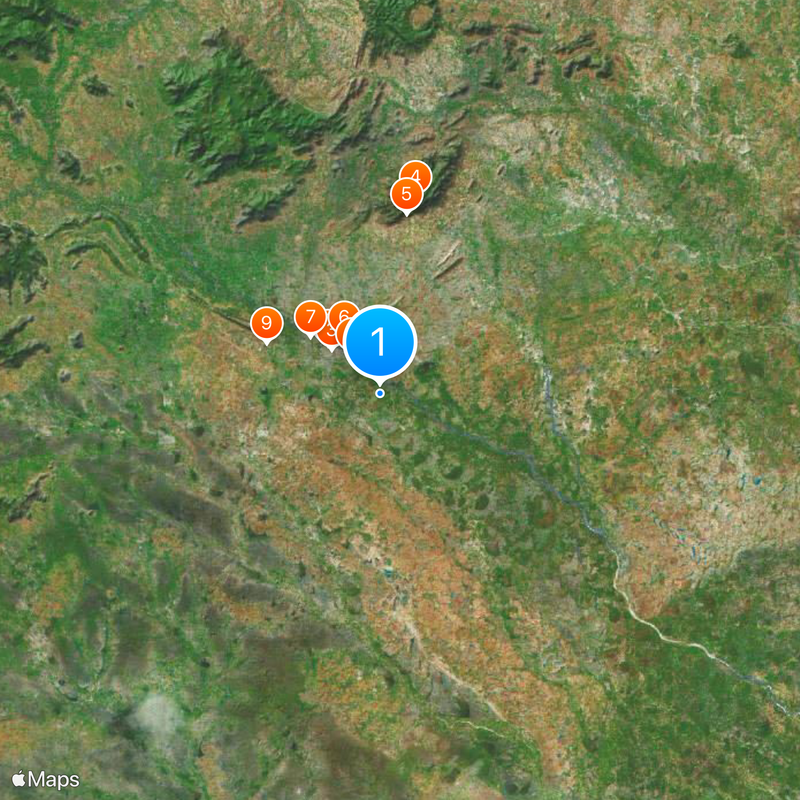
Keeladi excavation site, Archaeological excavation site in Keezhadi, India
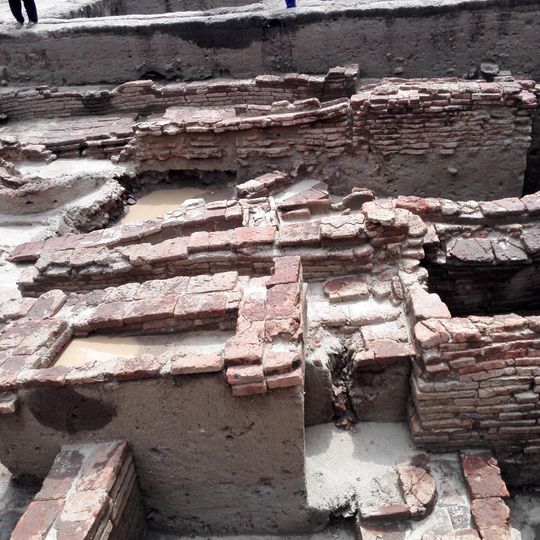
Keeladi is an archaeological excavation site in Keezhadi in the southern Indian state of Tamil Nadu that has uncovered remains of an ancient Tamil settlement on the bank of the Vaigai River. The site extends across 32 hectares and reveals wall foundations, wells, drainage channels, and numerous everyday objects made from ceramic, ivory, and metal.
The excavations began in 2015 and brought to light finds pointing to settlement between roughly 580 and 200 before our era. This phase falls within the period of the Pandya dynasty, which ruled over the southernmost part of the Indian subcontinent for several centuries.
Tamil-Brahmi inscriptions recovered from pottery fragments show how far the writing culture of the community had developed at that time. The finds also document skilled craftsmanship in working with ivory and iron, which played a central role in daily life for the ancient settlers.
Visitors can view finds such as ivory dice, terracotta figurines, iron daggers, and punch-marked coins at the Keezhadi Heritage Museum. Access to the excavation site itself may be limited depending on ongoing research work, so it is advisable to check information in advance.
Researchers discovered traces of carbon nanomaterials in pottery shards, including single-walled and multi-walled carbon nanotubes. This finding suggests that craftsmen at the time had access to advanced firing techniques whose temperatures went far beyond those of simple pottery kilns.
The community of curious travelers
AroundUs brings together thousands of curated places, local tips, and hidden gems, enriched daily by 92,783 contributors worldwide.