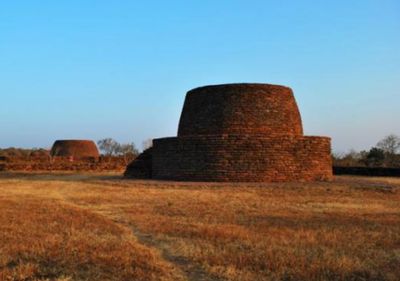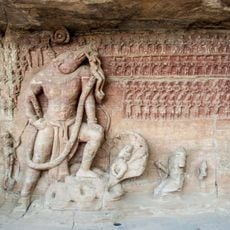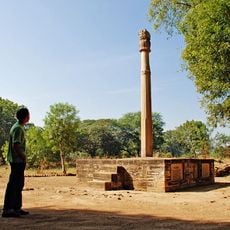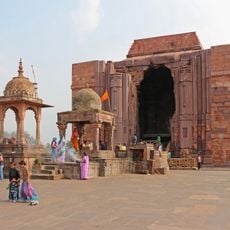
Sonari Stupas, Buddhist archaeological complex near Sanchi, India
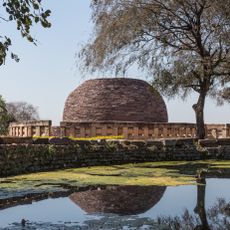
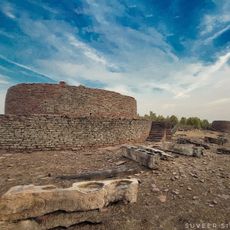
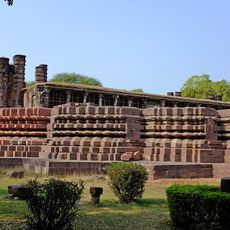
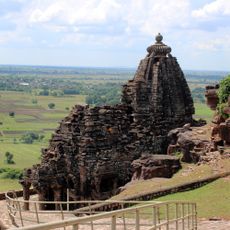
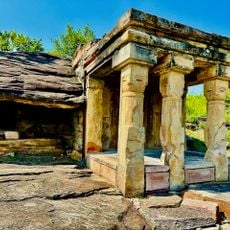
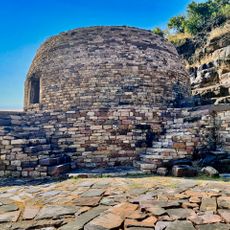
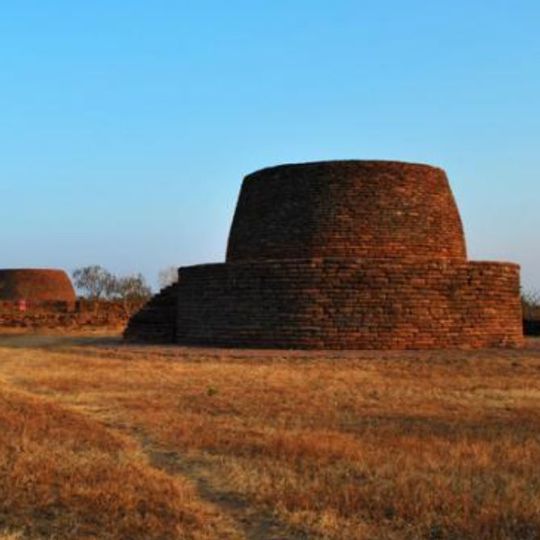
Sonari Stupas is an archaeological complex comprising two main structures and five smaller stupas positioned on a hilltop, each featuring cylindrical plinths and solid hemispheric domes. The site displays the typical construction method used for reliquary shrines during this era, with carefully arranged stone elements.
Alexander Cunningham excavated the site in 1850, discovering ornate reliquary boxes with remains of Buddhist monks, particularly in Stupa Number Two. These excavations helped establish the historical record of early Buddhist pilgrimage sites in the region.
Inscriptions in Brahmi script mention important Buddhist monks such as Kasapagota, Majjhima, Kosikiputa, Gotiputa, and Apagira. These names connect the site to revered figures in the early Buddhist community.
The journey to the site takes about three kilometers from Sonari village, crossing two hills and a stream on foot. Wear sturdy shoes and bring water, as there is little shade along the way and few other visitors.
The main reliquary within Stupa Number Two contained miniature containers made of soapstone and crystal, decorated with lotus bud designs. These tiny compartments preserved sacred remains and reveal the craftsmanship applied to burial chamber design during this period.
The community of curious travelers
AroundUs brings together thousands of curated places, local tips, and hidden gems, enriched daily by 92,604 contributors worldwide.