Teppe Hasanlu, archaeological site in Iran
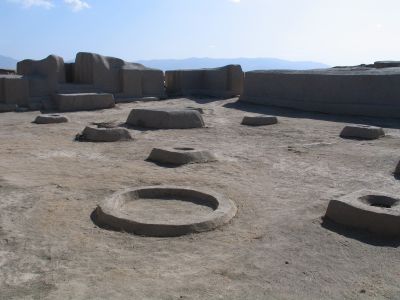
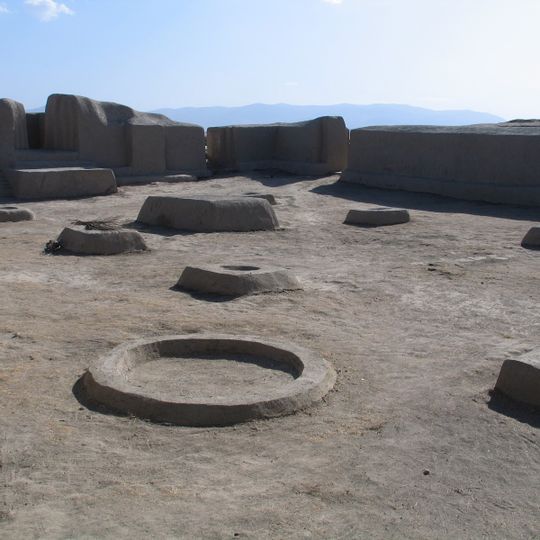
Teppe Hasanlu is an archaeological site in West Azerbaijan Province in northwestern Iran, situated on a large mound rising approximately 25 meters above the surrounding plain. Its central citadel features massive walls and fortifications, surrounded by a lower settlement with paved streets that was continuously inhabited from the Neolithic period through late antiquity.
The site was founded during the Late Bronze Age and reached its peak during the early Iron Age as part of the Mannaean kingdom. In the ninth century BC, the city was destroyed in a sudden attack, which preserved the buildings and remains of inhabitants, creating a snapshot of ancient life frozen in time.
The site served as a center for skilled craftsmanship, as evidenced by the many artifacts of gold, silver, and bronze discovered there. Inhabitants maintained trade connections with neighboring peoples, exchanging goods and techniques that reflected its role as a regional hub for commerce and cultural exchange.
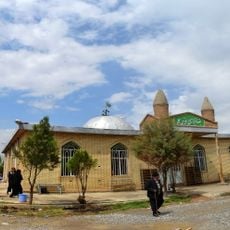
The site is easily accessible by paved roads from the cities of Urmia and Naqadeh, with only a few minutes walk from the parking area to the mound. Spring and early autumn offer the most comfortable weather for exploring the ruins, while a small museum nearby displays artifacts and excavation photos to enhance your understanding.
One of the most famous discoveries is the golden bowl from the ninth century BC, found in a destroyed house with intricate reliefs depicting gods and mythological symbols. This vessel stands as a testament to the exceptional craftsmanship of its makers and offers a poignant reminder of the city's final moments before it was suddenly destroyed.
The community of curious travelers
AroundUs brings together thousands of curated places, local tips, and hidden gems, enriched daily by 60,000 contributors worldwide.