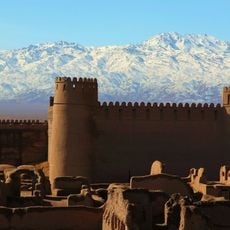
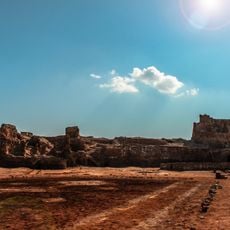
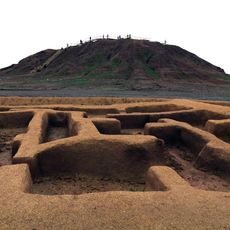
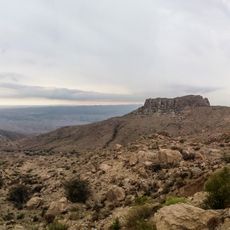
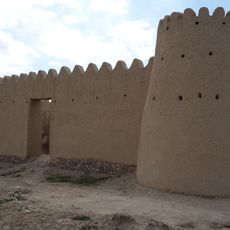
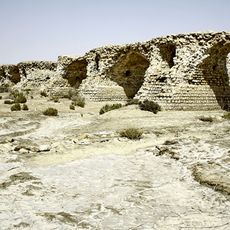
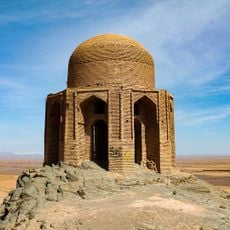
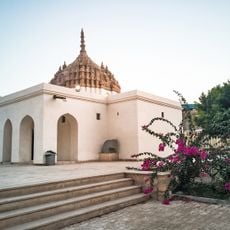
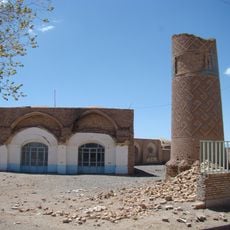
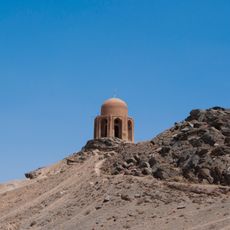
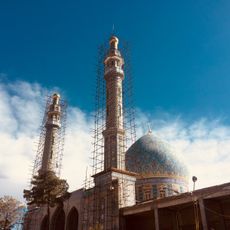
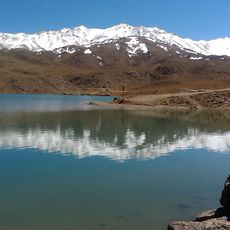
Tepe Yahya, Archaeological site and hill in Kerman Province, Iran.
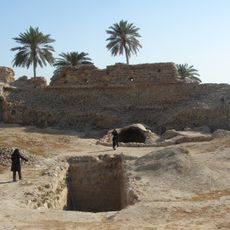
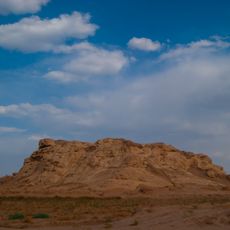
Tepe Yahya is an archaeological mound in the southeastern part of Kerman Province, built up from layers of human settlement spanning several millennia. The mound contains the remains of houses, workshops, and storage areas that together show how daily life was organized across many centuries.
The oldest traces of occupation at this site go back to the 5th millennium BC, when it served as a center for trade and craft production in the wider region. After a long period without settlement, people returned around 1000 BC and built new communities on top of the older layers.
The site contains clay tablets with early writing systems that reveal how ancient communities recorded their economic activities and business dealings. These objects show how people organized trade and kept track of important information in their daily lives.
The site lies in a sparsely populated area to the southeast of Kerman and requires some planning to reach, as it is far from main tourist routes. Visitors should dress for strong sun and extreme heat, and it is worth checking in advance whether any excavation work is under way.
Tepe Yahya was a major center for carving objects from soft stone, and thousands of finished pieces have been found there. A quarry close to the site shows that the raw material was extracted locally, making this one of the few places where the full production chain from mining to finished object can be traced.
The community of curious travelers
AroundUs brings together thousands of curated places, local tips, and hidden gems, enriched daily by 90,916 contributors worldwide.