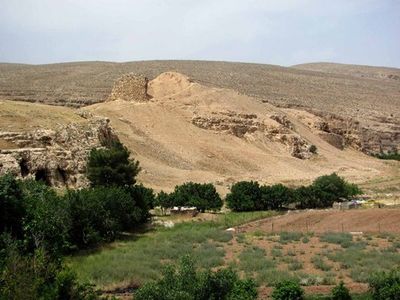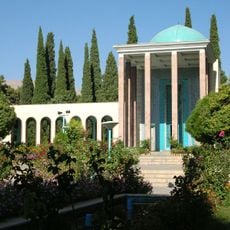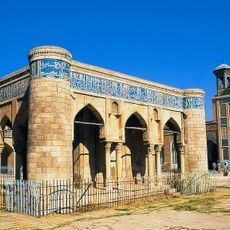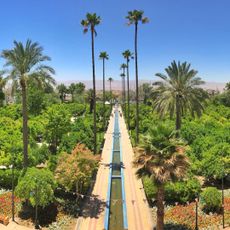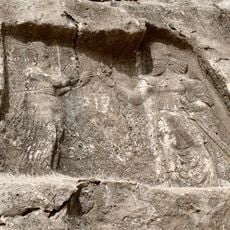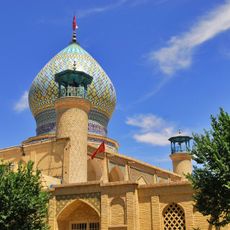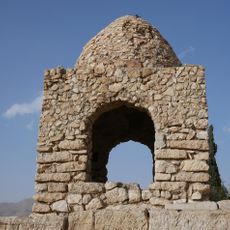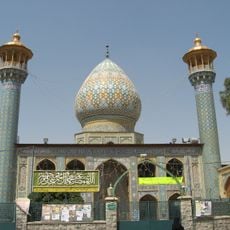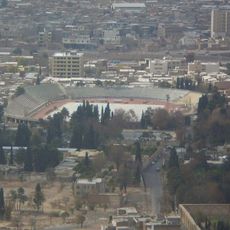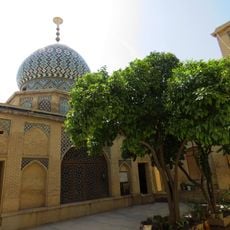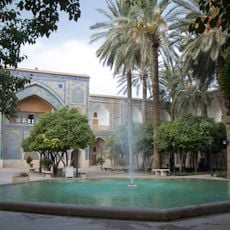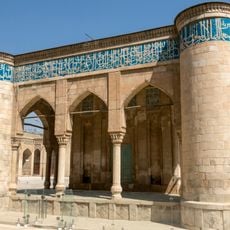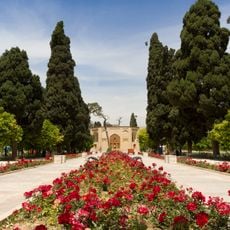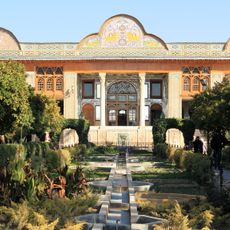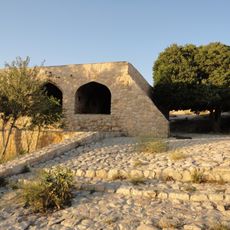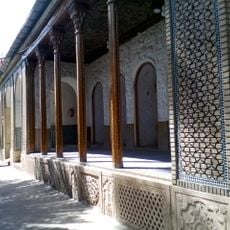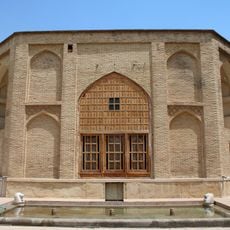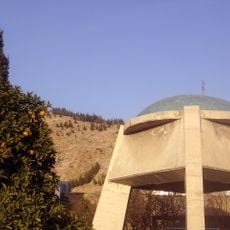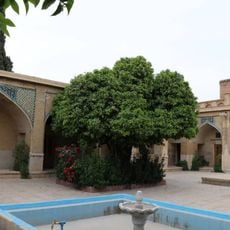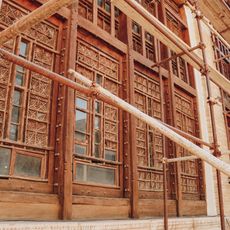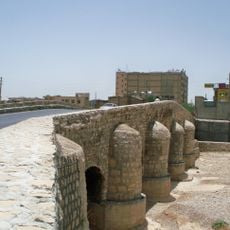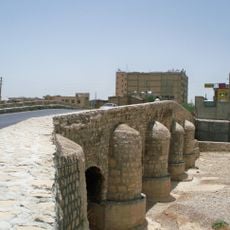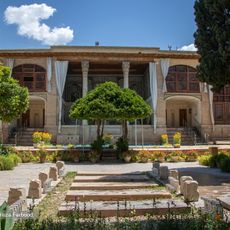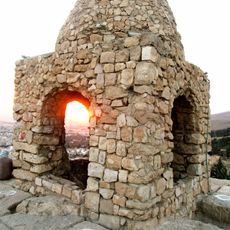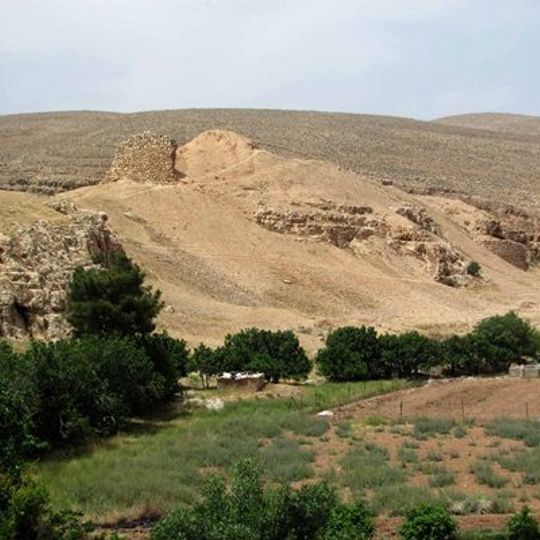
Ghasre Abu-Nasr, Ancient palace ruins in Shiraz, Iran.
Ghasre Abu-Nasr is a palace complex whose stone and brick remains stand on a hilltop southeast of Shiraz's center. The ruins sit approximately six kilometers from the city and overlook the surrounding landscape.
The palace complex was originally built during the Parthian period and kept its strategic importance through the Sassanid era and early Islamic times. Before its later name, the site was known as Takht-e Sulayman, or Throne of Solomon.
The name Abu-Nasr means 'Father of Victory,' reflecting the reverence locals held for this hilltop site through different eras. Various civilizations left their mark here, and visitors can observe how each period added layers to the place's meaning.
The site sits on a hilltop outside Shiraz and is best visited during daylight hours when you can see the ruins and surrounding landscape clearly. Wear sturdy shoes as the ground is uneven and you will navigate around archaeological remains.
Archaeological digs have uncovered coins and artifacts from four different periods spanning from Achaemenid through Sassanid times. These discoveries show the site remained important to successive rulers across many centuries.
The community of curious travelers
AroundUs brings together thousands of curated places, local tips, and hidden gems, enriched daily by 90,753 contributors worldwide.