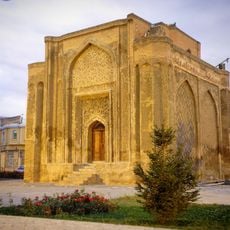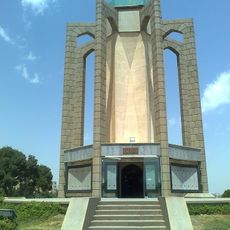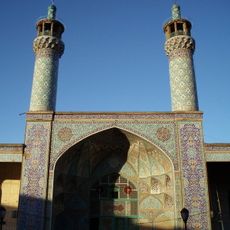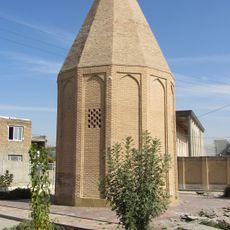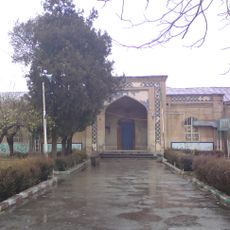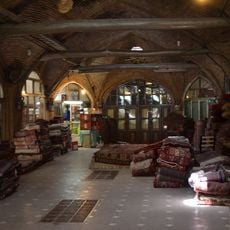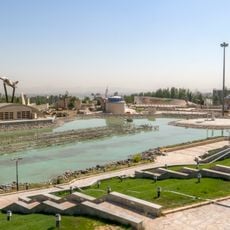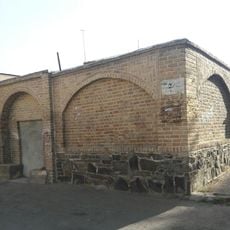
Ecbatana, Archaeological site in Hamadan, Iran
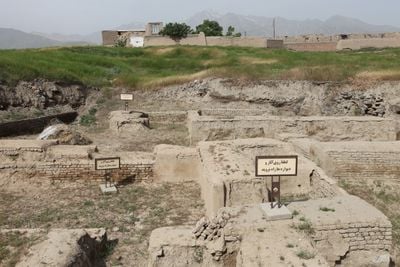
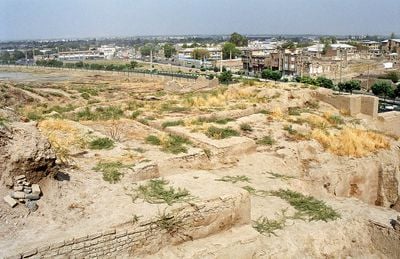
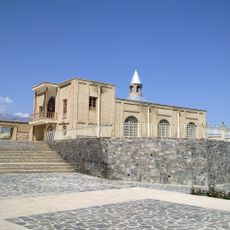
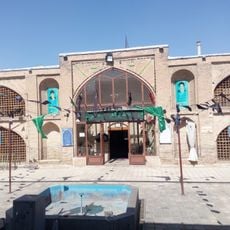
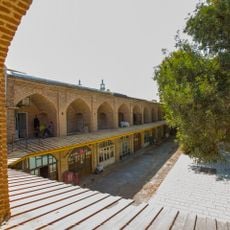
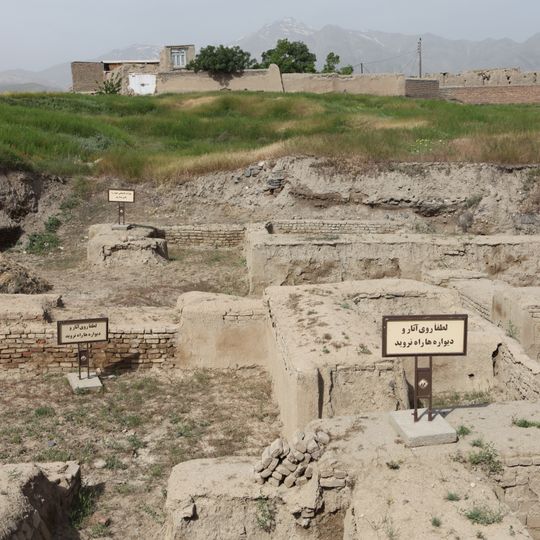
Ecbatana is an archaeological site spread across modern Hamadan, revealing remains of defensive structures, column bases, and foundations from several ancient periods. The exposed layers show building techniques used during Median, Achaemenid, and Parthian settlement phases.
Deioces established the settlement in 678 BCE as the capital of the Median Empire, creating a major political center. Later rulers from the Achaemenid and Parthian dynasties used it as a summer residence, maintaining its importance for centuries.
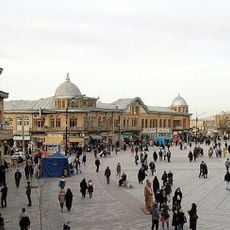
The name comes from Old Persian Hagmatāna, meaning gathering place, reflecting its early function as a political center. Parts of the ancient settlement lie beneath modern Hamadan neighborhoods, limiting excavation to specific zones where residents have allowed access.
The site is open daily from 9 AM to 8 PM in spring and summer, and from 9 AM to 6 PM in fall and winter. Visiting in the morning is advisable when foot traffic is lighter and the light is better for viewing exposed structures.
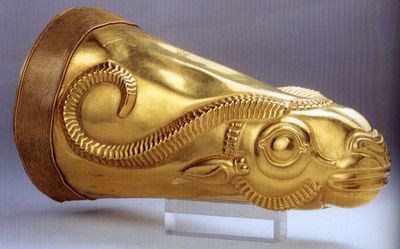
Alexander the Great needed 10,000 pairs of mules and 5,000 camels to carry away the treasury after his conquest. The amount of gold and silver was so large that the transport took several months and required a dedicated logistics operation.
The community of curious travelers
AroundUs brings together thousands of curated places, local tips, and hidden gems, enriched daily by 92,635 contributors worldwide.