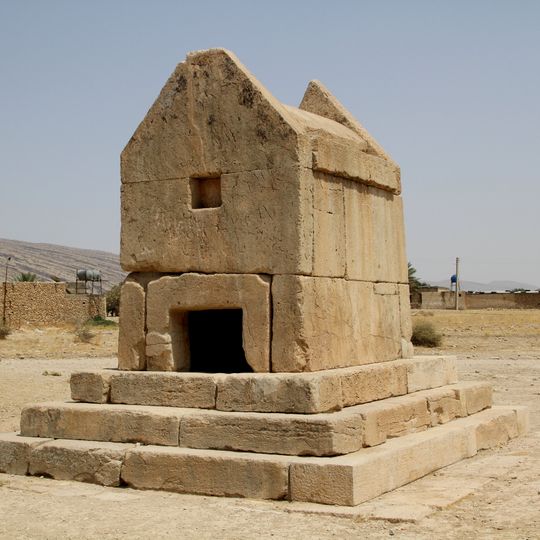
Gur-e Dokhtar, Achaemenid tomb in Dashtestan County, Iran.
Gur-e Dokhtar is a small rectangular stone tomb in Dashtestan County, Iran, built in the Achaemenid architectural style from carefully cut blocks stacked in tight rows. It measures roughly 5 by 4 meters and stands about 4.5 meters tall, with a burial chamber inside that has recessed niches near the top of the walls.
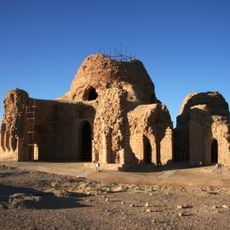
The monument dates to the 5th century BCE, placing it in the Achaemenid period when Persian rulers controlled a large part of the ancient Near East. Later, during the Sassanid era, other structures were built nearby, suggesting the site remained a point of interest across different periods.
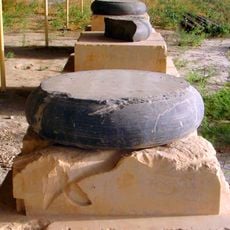
The stones of Gur-e Dokhtar are held together with metal clamps instead of mortar, a technique reserved for the most carefully built structures of the Achaemenid period. This detail is not visible from outside but speaks to the level of craft put into the construction.
The structure is very compact, so moving slowly and carefully when entering the burial chamber helps avoid any difficulty with the low openings. Reading about Achaemenid architecture beforehand makes it easier to notice the details of the stonework and the wall niches on site.
The entire tomb is assembled from just twenty-two stone pieces, meaning every block had to be cut and placed with great precision to make the structure hold together without mortar. This small number of components makes it one of the most compact examples of Achaemenid stonework still standing.
The community of curious travelers
AroundUs brings together thousands of curated places, local tips, and hidden gems, enriched daily by 60,000 contributors worldwide.