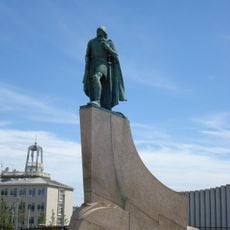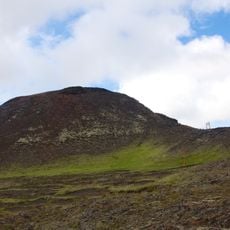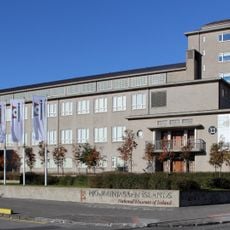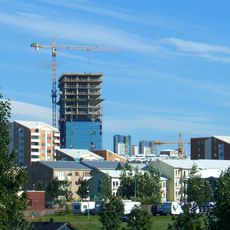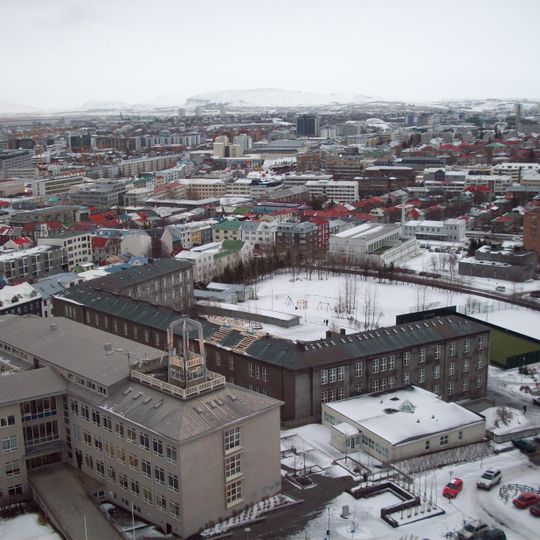
Capital Region, Capital region in southwestern Iceland
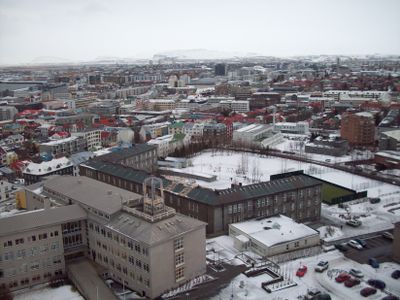
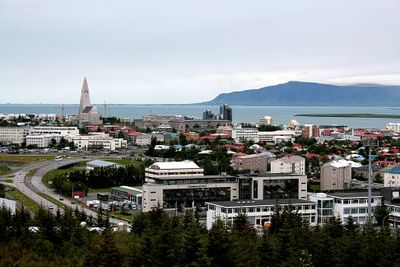
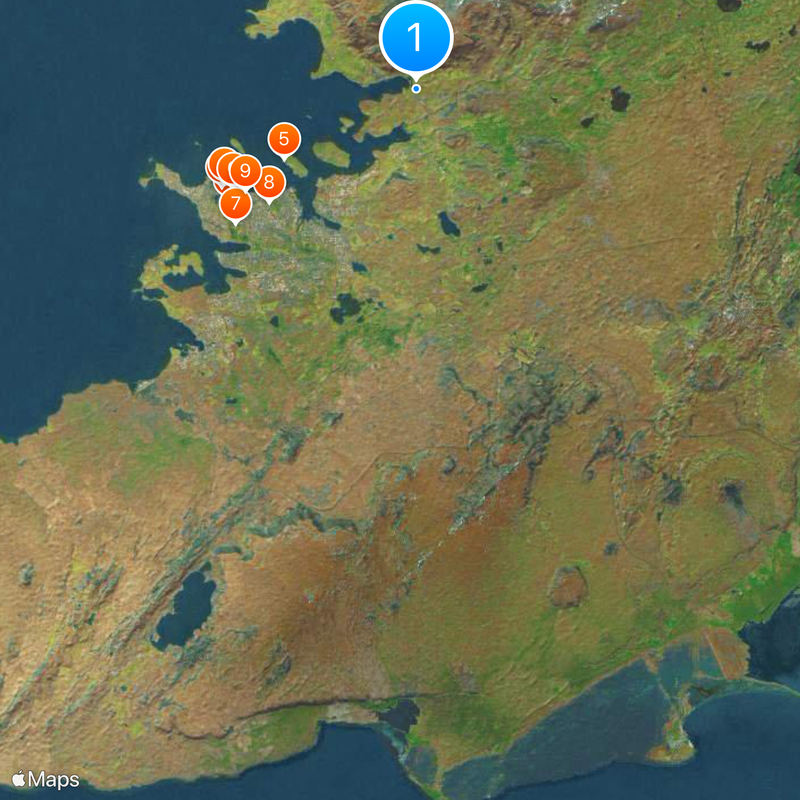
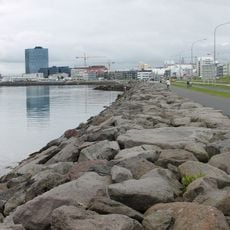
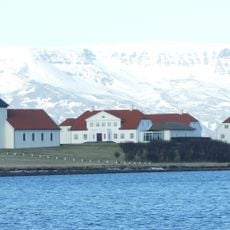
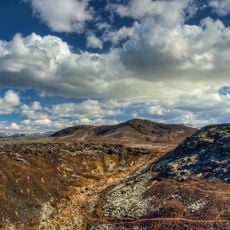
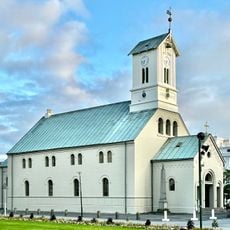
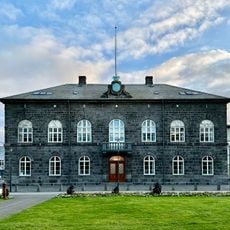
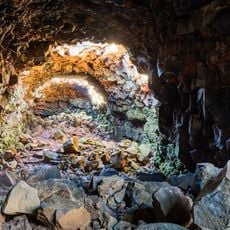
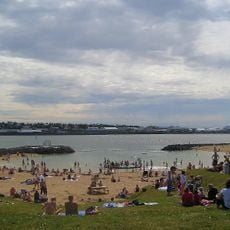
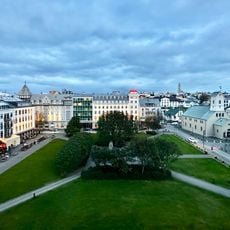
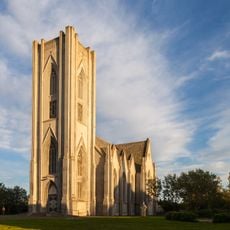
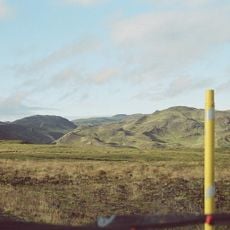
The Capital Region covers 1,062 square kilometers (410 square miles) across southwestern Iceland, bringing together Reykjavík and six other municipalities along Faxaflói Bay. The area connects the capital city with smaller coastal towns and rural surroundings into one cohesive region.
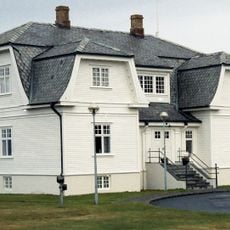
This region began as a single Norse settlement in 874 and transformed into a modern metropolitan area over many centuries. Today it holds about two-thirds of Iceland's population and has shaped the nation's development throughout its history.
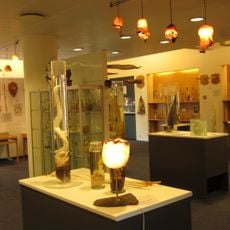
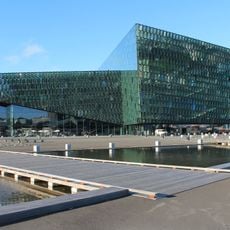
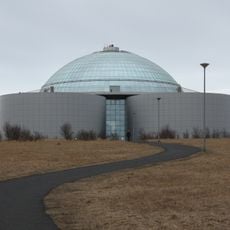
Museums and concert halls throughout the region display Icelandic manuscripts and traditional music that shape daily cultural life. You can find art galleries and local events happening regularly in all the towns here.
A network of buses connects all municipalities throughout the region, operating from early morning until late at night. Most visitors find it straightforward to move between different towns and locations.
The region has 17 geothermal pools heated naturally by volcanic activity beneath Iceland's surface. These warm waters are usable year-round and play a big role in how locals spend their leisure time.
The community of curious travelers
AroundUs brings together thousands of curated places, local tips, and hidden gems, enriched daily by 91,665 contributors worldwide.