Serino, Italian comune
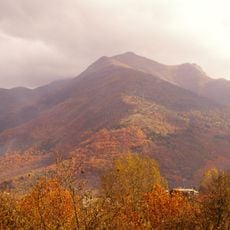
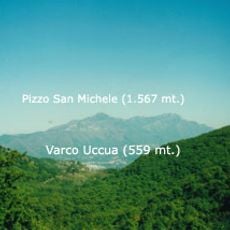
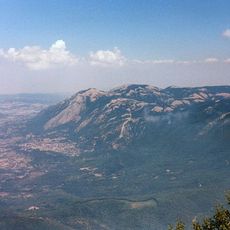
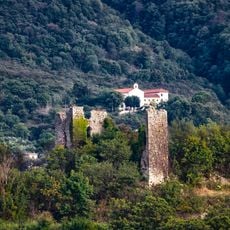
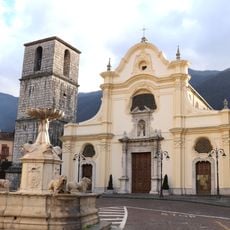
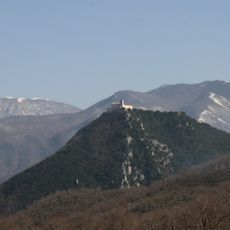
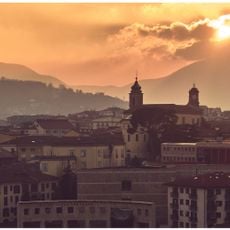
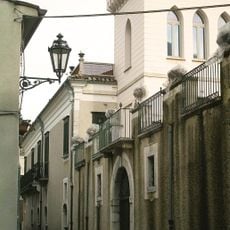
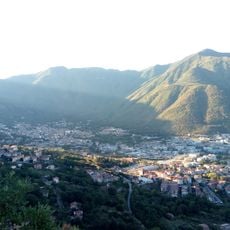
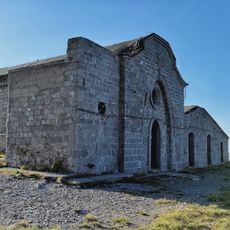
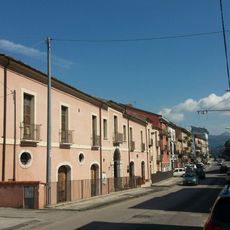
Serino is a small commune in the Province of Avellino in Campania, sitting on a hilltop about 400 meters above sea level. The town spreads across several hamlets on both sides of the Sabato River and is surrounded by dense chestnut forests and green fields that define its landscape.
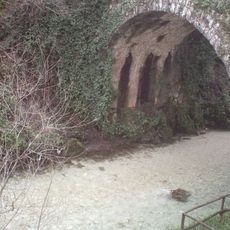
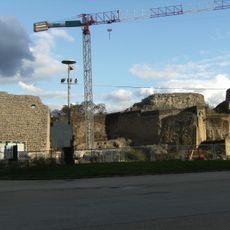
Serino developed at the site of the ancient Sabatia, founded by the Sabatini people who settled there in the second century before Christ. A Roman aqueduct built under Emperor Claudius supplied water to the region and made Serino an important ancient location, with its influence extending to supplying water to Naples.
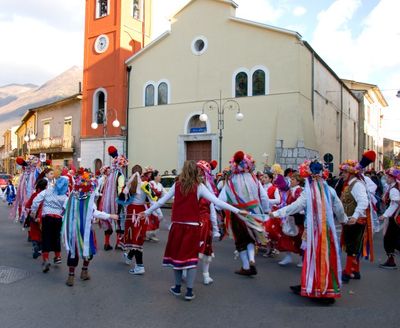
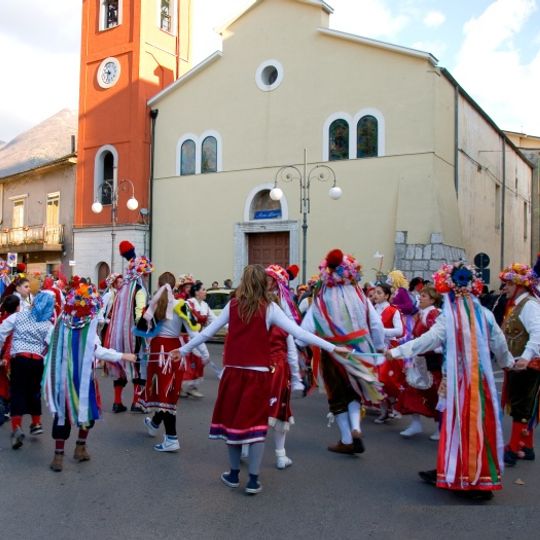
The name Serino comes from the ancient place Sabatia, linked to the Sabatini people who settled here long ago. Today, seasonal celebrations like the Chestnut Festival and the Feast of Saint Francis bring the community together and keep local traditions and agricultural heritage at the center of daily life.
The town is easily reached from Avellino with a nearby train station and highway access. The best time for hiking and exploring is from May to October, when the weather is mild and the chestnut forests are full and green.
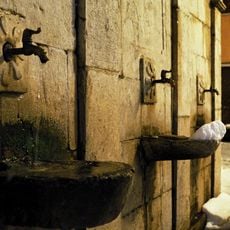
The town was home to a remarkable Roman aqueduct built under Emperor Claudius in ancient times, which still supplies water to Naples more than two thousand years later. This engineering feat reveals how important Serino was historically and how its water systems influenced the broader region.
The community of curious travelers
AroundUs brings together thousands of curated places, local tips, and hidden gems, enriched daily by 90,897 contributors worldwide.