Fratta Polesine, Italian comune
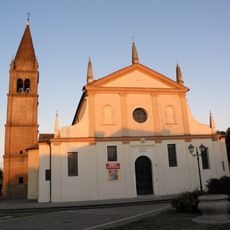
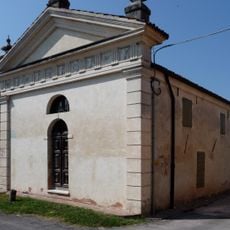
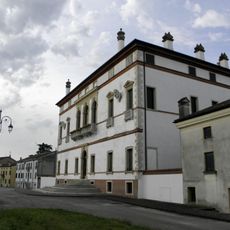
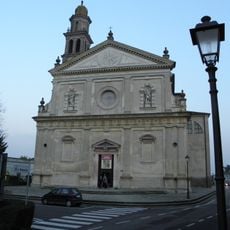
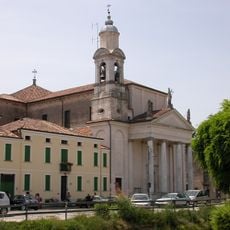
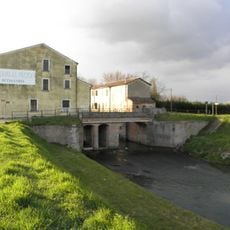
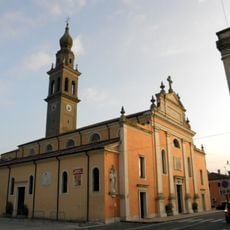
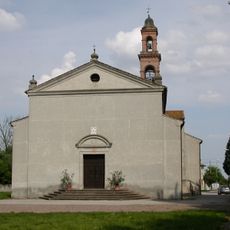
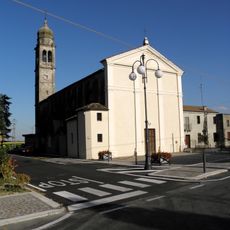
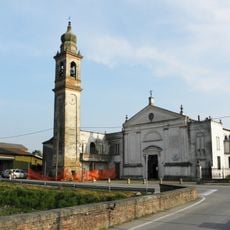
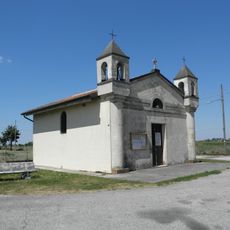
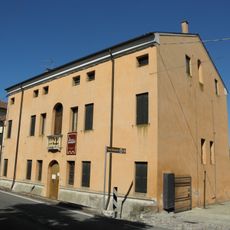
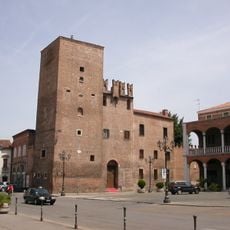
Fratta Polesine is a small town in the province of Rovigo in the flat Polesine region of northeastern Italy. It features historic buildings and countryside estates scattered across agricultural land crossed by rivers and drainage canals that shape the landscape.
The town developed in medieval times as a settlement to protect from floods and invaders, with evidence of human activity dating back to the Bronze Age period. During the 19th century, it became a place where people gathered to discuss the unification of Italy, and the politician Giacomo Matteotti was born here in the early 20th century.
The name Fratta Polesine refers to its location in the Polesine region, a flat area shaped by rivers and waterways. Local life centers on agriculture and community gatherings in small squares, where residents share news and buy fresh produce from nearby farms.
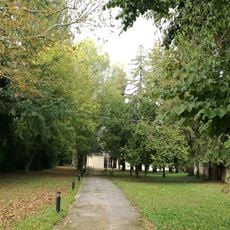
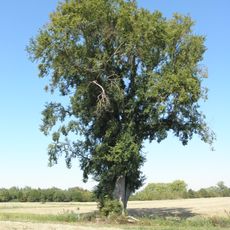
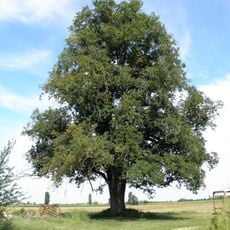
The town center is easy to explore on foot since all main attractions are close together and can be seen in a short time. Cycling and walking in the surrounding countryside are good ways to experience the flat landscape and open fields at a relaxed pace.
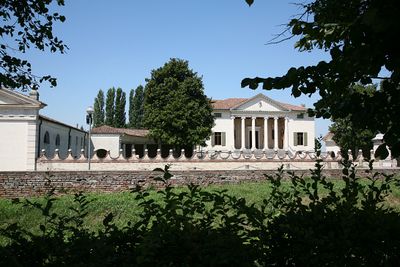
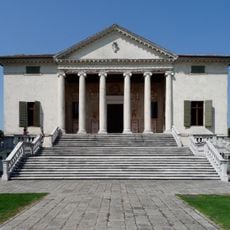
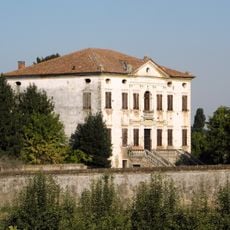
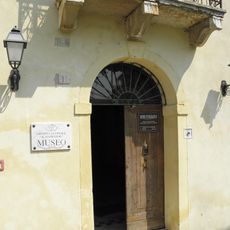
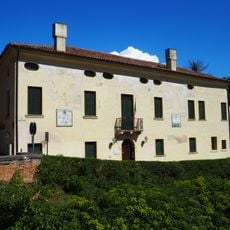
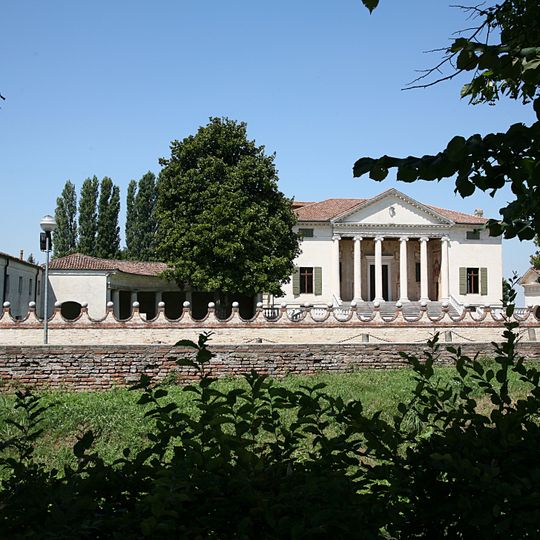
Villa Badoer from the 16th century is a masterpiece of Palladian architecture and part of the UNESCO World Heritage list, featuring preserved frescoes by Giallo Fiorentino. The Archaeological Museum holds Bronze Age finds from about 3000 years ago from the ancient settlement Frattesina, including rare materials like ivory and amber that show early trade connections across long distances.
The community of curious travelers
AroundUs brings together thousands of curated places, local tips, and hidden gems, enriched daily by 92,008 contributors worldwide.