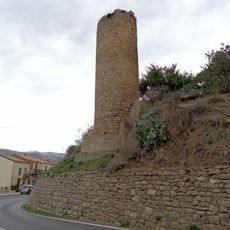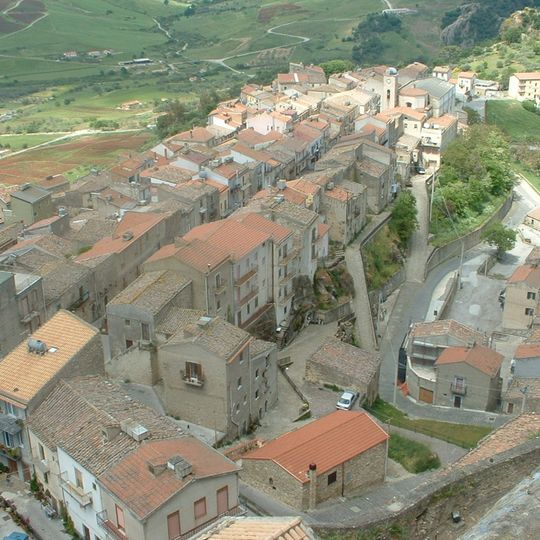
Sperlinga, Italian comune
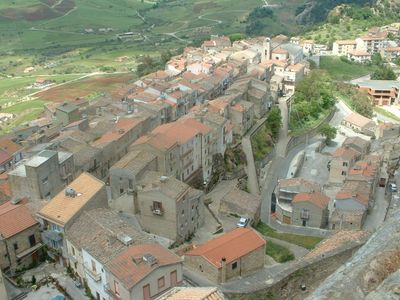
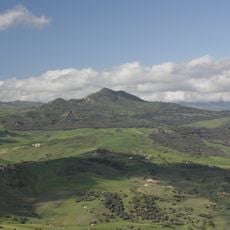
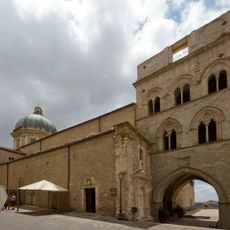
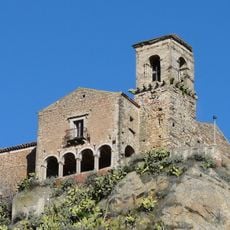
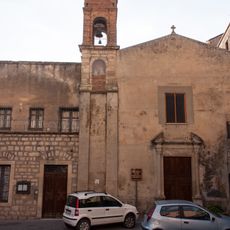
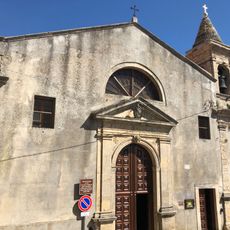
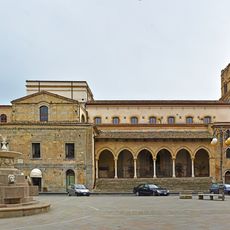
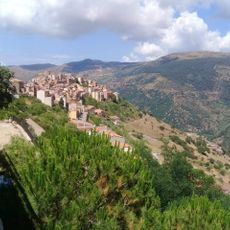
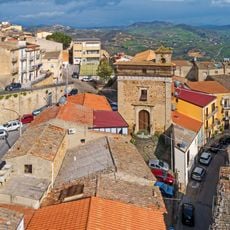
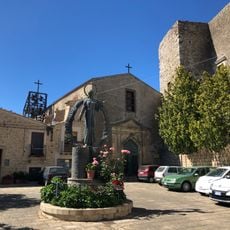
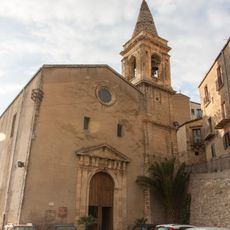
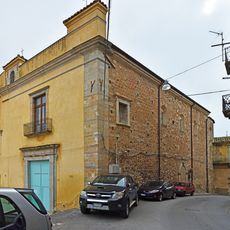
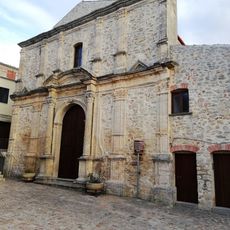
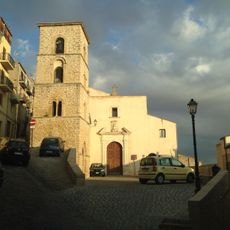
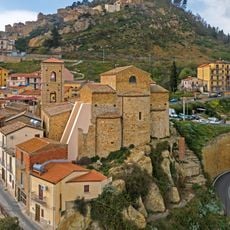
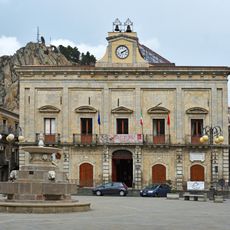
Sperlinga is a small village perched on a hill in central Sicily at about 750 meters in elevation with a cool, gentle climate. The settlement stands out for dwellings carved directly into living rock, where house facades face the main road while the structures extend deep into the stone behind them.
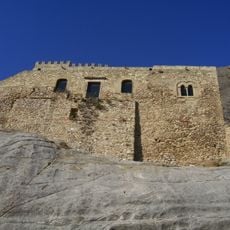
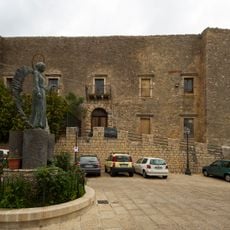
Official settlement occurred on November 30, 1597, when King Philip IV authorized Giovanni Forti Natoli to build and develop the area, later elevating it to a principality. The most significant historical event happened during the Sicilian Vespers in 1282, when French soldiers inside the castle resisted a siege for nearly a year, making the settlement a notable exception in Sicily's turbulent history.
The name Sperlinga comes from Greek and means cave, referring to the numerous natural rock cavities surrounding the settlement carved into sandstone. The inhabitants speak a distinctive dialect that blends Sicilian with influences from northern Italy and France, brought by Norman settlers from the 11th century onward.
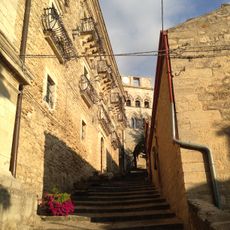
Sperlinga is best explored on foot, with the main road SS 120 serving as a starting point from where steep stairways lead to the stacked caves and upper village. As a hillside settlement with uneven and sometimes narrow passages, wear comfortable shoes and allow time for leisurely exploration at a relaxed pace.
A phrase carved into stone at the castle gates reads 'What the Sicilians liked, Sperlinga refused' - marking the settlement's refusal to join the revolt against the French during the Sicilian Vespers. This unusual stance set the village apart from uprisings elsewhere in Sicily and transformed it into a local legend over the centuries.
The community of curious travelers
AroundUs brings together thousands of curated places, local tips, and hidden gems, enriched daily by 91,364 contributors worldwide.