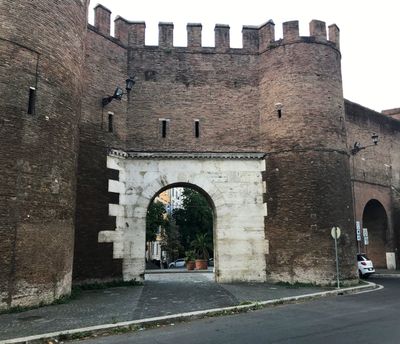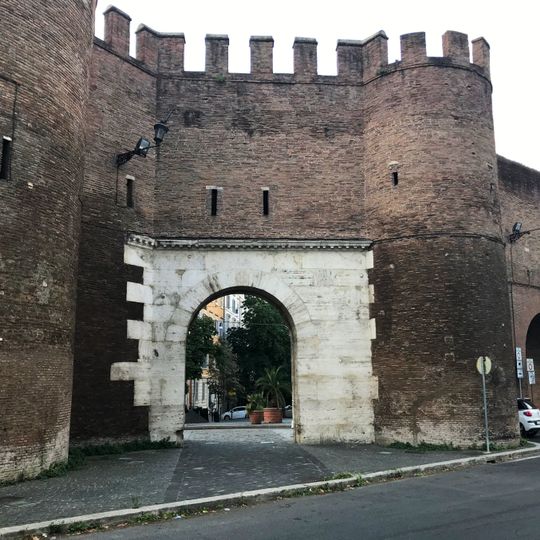
Porta Pinciana, City gate near Villa Borghese, Rome, Italy
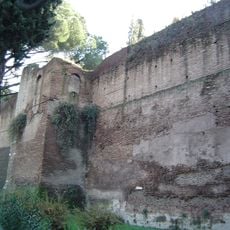
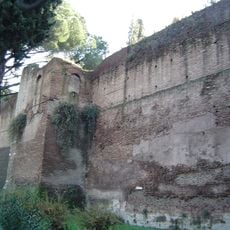
The Porta Pinciana is a city gate at the northern edge of Rome, built as part of the ancient Aurelian Walls with defensive towers flanking both sides. It sits where the Pincian Hill meets the walls and serves as a monumental passage between the city center and the areas beyond.
The original structure was built under Emperor Aurelian in the 3rd century as part of Rome's defensive walls. Emperor Honorius enlarged it in 402, and later Byzantine general Belisarius reinforced it during military campaigns in the 6th century.
The gate displays Christian symbols carved into its stone surfaces, showing how faith shaped Roman architecture over time. Visitors can see these marks today and recognize how belief influenced the city's appearance.
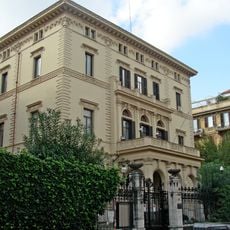
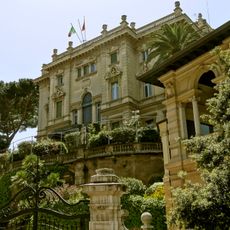
The gate sits at the northern end of Via Veneto and forms a natural entrance point to Villa Borghese gardens. Visitors can easily explore the area on foot since the structure stands at a crossroads between different walking routes.
Archaeological digs in the 1890s uncovered ancient burial monuments just outside the gate, revealing that Roman cemeteries once occupied the surrounding land. These discoveries showed that the areas beyond the walls served as burial grounds for the city's dead.
The community of curious travelers
AroundUs brings together thousands of curated places, local tips, and hidden gems, enriched daily by 60,000 contributors worldwide.