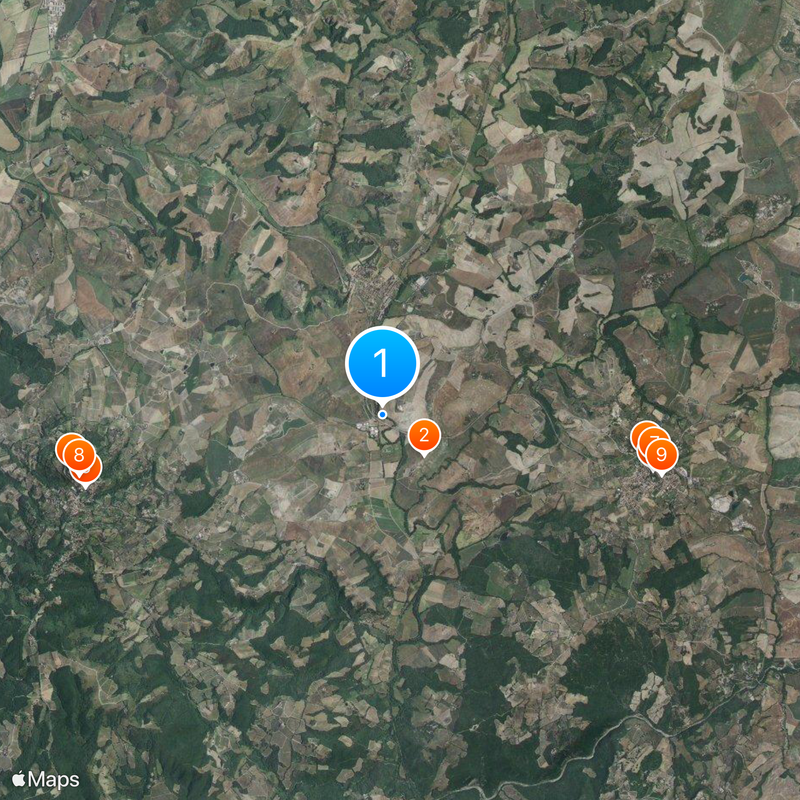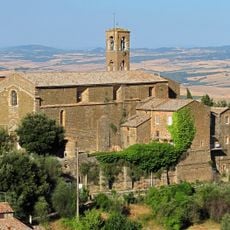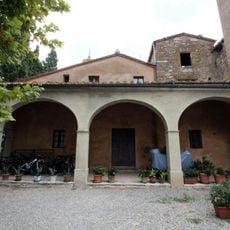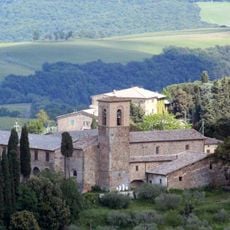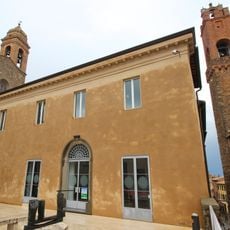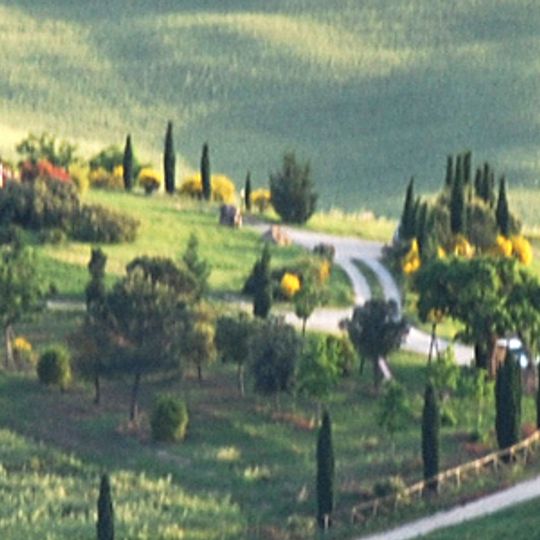
Val d'Orcia, Cultural landscape in Province of Siena, Italy
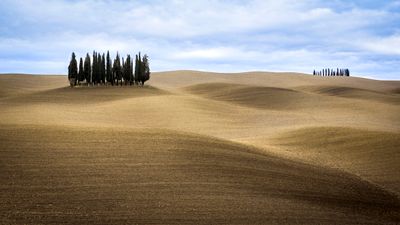
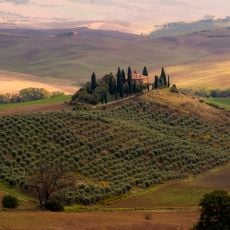
Val d'Orcia is a cultural landscape in southern Tuscany that spreads across rolling hills, vineyards, olive groves, and medieval villages connected by winding roads and cypress-lined avenues. The landscape follows the course of the Orcia river and its tributaries, with plowed fields and pastures forming a mosaic of warm tones.
Noble families established agricultural estates starting in the 14th century, as the region became an important trade corridor between Rome and Florence. The Medici later encouraged landscape transformation through deliberate planting and the construction of farmhouses that still define the appearance today.
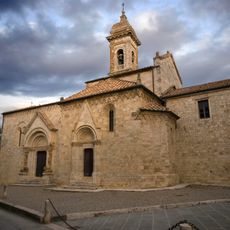
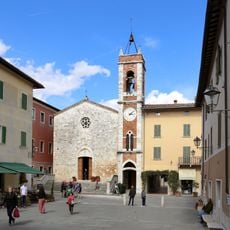
The Renaissance design of Pienza gave the valley its modern fame, as Pope Pius II transformed his birthplace into an "ideal city" concept. Local families maintain centuries-old vineyards and produce Pecorino cheese, while villages continue to use their medieval market squares for weekly gatherings.
Walking trails connect vineyards and historic villages through the hills, with spring and autumn offering mild temperatures and clear views across the surrounding valleys. Some sections are steep and unpaved, so sturdy shoes are recommended for walks away from paved roads.
The Crete Senesi form a distinct sub-landscape with clay formations that create gray surfaces and shift color depending on the time of day. In summer, cracks in the soil dry out and form geometric patterns that contrast with the surrounding green hills.
The community of curious travelers
AroundUs brings together thousands of curated places, local tips, and hidden gems, enriched daily by 91,301 contributors worldwide.