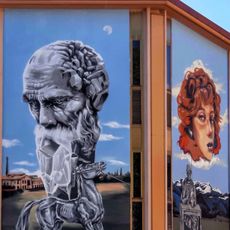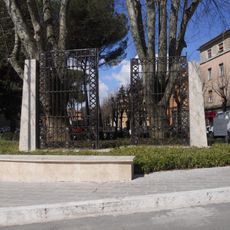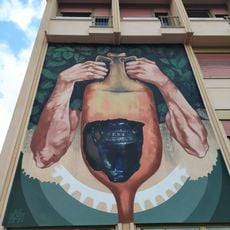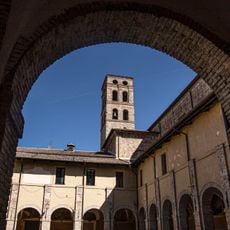
Sabina, Ancient geographic region in Lazio, Italy
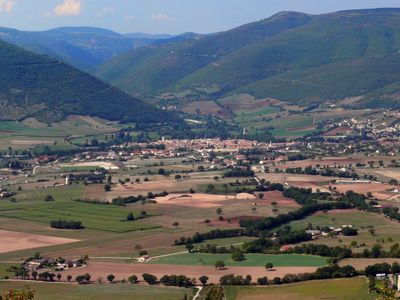
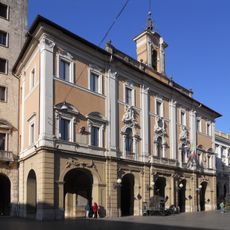
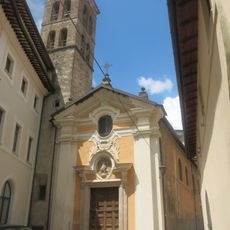
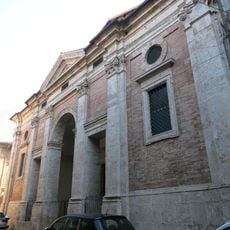
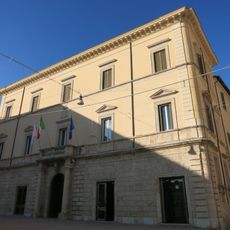
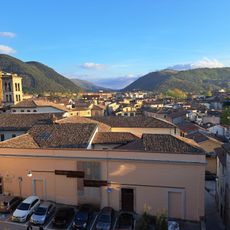
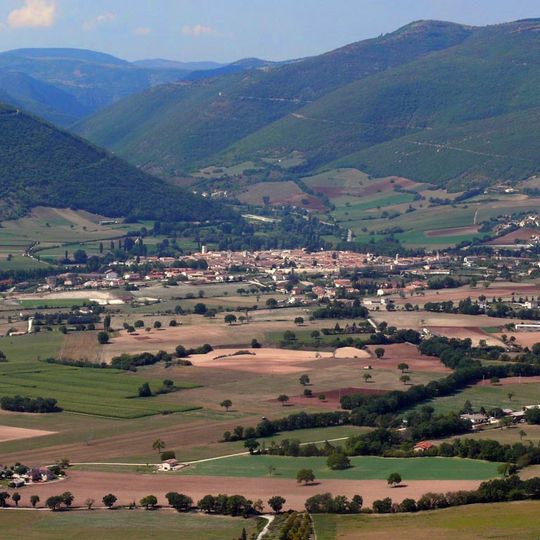
Sabina is an ancient geographic region spanning central Italy, encompassing parts of modern-day Lazio, Umbria, and Abruzzo. The landscape varies from fertile plains to elevated areas reaching about 600 meters (2,000 feet) in altitude.
The Sabines settled in this region from the 10th century BC onwards, establishing cities like Reate, Trebula Mutuesca, and Cures Sabini. These early settlements later entered into conflicts with Rome that would reshape the region's political landscape.
The Sabines contributed several deities to Roman religion, including Semo Sancus and Quirinus, while prominent Roman families claimed ancestry from this region. This heritage remains visible today through local place names and traditions that reflect the Sabine influence on Rome.
The region maintains strong agricultural traditions with certified extra virgin olive oil and wines produced under specific regional designations. Visitors can explore these local products directly and experience the culinary connection between past and present.
According to Roman records, the local population split into two groups after Rome's founding: one part integrated into the city, while another maintained independence. This division reveals how the Sabines gradually became absorbed into the expanding Roman state.
The community of curious travelers
AroundUs brings together thousands of curated places, local tips, and hidden gems, enriched daily by 92,376 contributors worldwide.