Civic Museum of Rieti, Art and archaeological museum in Rieti, Italy.
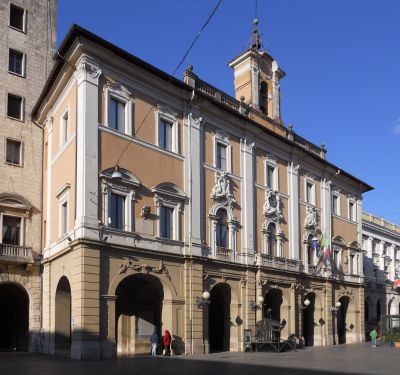
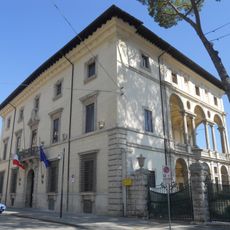
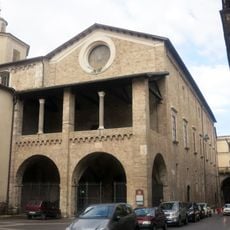
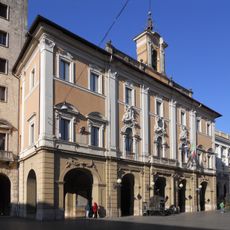
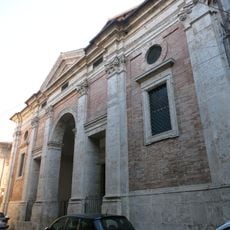
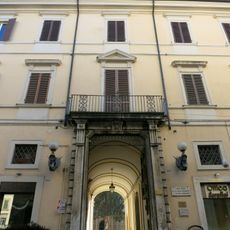
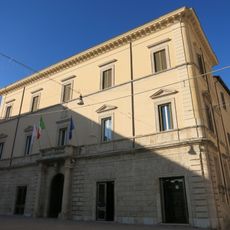
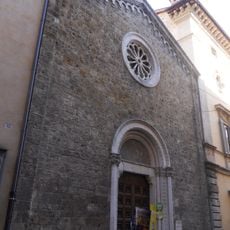
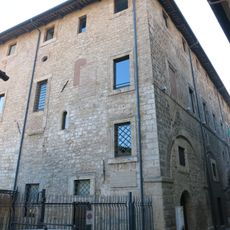
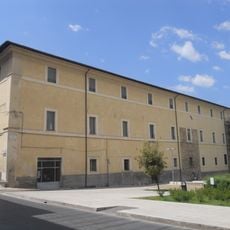
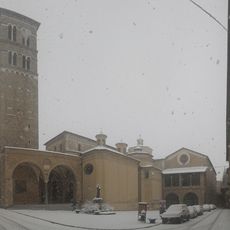
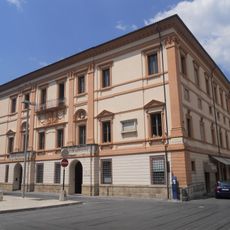
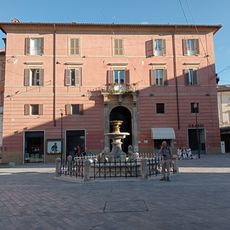
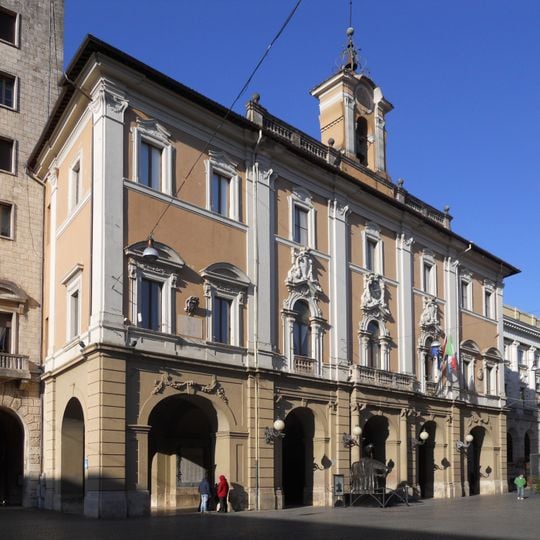
The Civic Museum of Rieti has two sections: the Historical-Artistic section on the second floor of the Palazzo Comunale at Piazza Vittorio Emanuele II, in nine rooms plus a landing, and the Archaeological section on the ground floor of the 13th-century monastery of Santa Lucia at Via Sant'Anna 4. The art section covers the Middle Ages to the present; the archaeological section spans the 12th century BC to the 13th century AD.
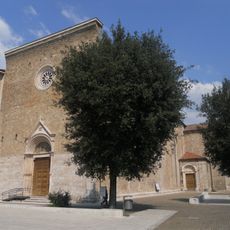
The museum's core began in the late Renaissance with inscriptions gathered under the porticoes of the Palazzo Comunale. After the 1862 decree expropriating church property, the city acquired paintings, sculptures and goldwork, and from 1865 these were displayed in the former convent of Sant'Agostino. In 1909 the collection moved to the Palazzo Comunale's second floor, and in the 1990s it was split into a historical-artistic section and an archaeological section, the latter opened in 2001 at the former monastery of Santa Lucia.
The collections feature works by painters such as Zanino di Pietro and Antoniazzo Romano, reflecting the artistic tradition of this Italian region. Visitors can observe how these artists depicted religious and secular subjects using techniques typical of the medieval and Renaissance periods.
The art museum is located at Piazza Vittorio Emanuele II, while the archaeological collection is housed in a separate building on Via Sant'Anna. It is helpful to visit both locations in sequence, as they are in the historical center but display different collections.
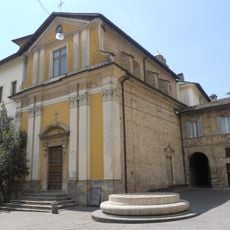
The museum preserves artworks from local religious buildings and collections, revealing how church institutions shaped the city's artistic heritage over centuries. This connection to religious history sets it apart from many other civic museums.
The community of curious travelers
AroundUs brings together thousands of curated places, local tips, and hidden gems, enriched daily by 94,020 contributors worldwide.