Necropolis of Pantalica, Bronze Age necropolis near Ferla, Italy.
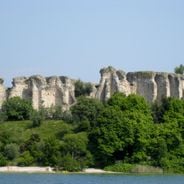
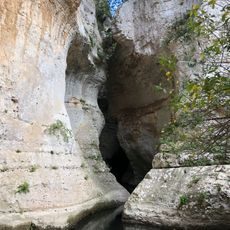
The necropolis of Pantalica is an ancient burial site with around 5,000 tombs carved into limestone cliffs along the northern side of the Anapo valley in southeastern Sicily. The chambers span multiple levels and are arranged in horizontal rows along the rock face.
The necropolis developed between the 13th and 7th centuries BC and served as a burial site for inhabitants during the transition from Bronze to Iron Age. This span shows continuous settlement and cultural development across several centuries.
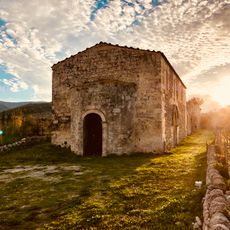
The name Pantalica probably comes from the Arabic Buntarigah, "place full of caves", or from the Greek for "place full of stones". Most chambers held between one and seven individuals of all ages and both sexes, and many were reopened periodically for further burials. Byzantine rock-cut dwellings and three small chapels with faint fresco traces, the Grotta del Crocifisso, San Nicolicchio and San Micidiario, show later monastic use.
The site is reached by marked trails starting from Ferla, and conditions vary depending on the season. Wear proper footwear and allow time to explore the multiple levels across the rock face.
The name Pantalica may come from the Greek pántalíthos, "place full of stones", or from the Arabic Buntarigah, "place full of caves". The tombs were mostly looted long before Paolo Orsi excavated the site between 1895 and 1910; his finds, including red-burnished pottery, bronze fibulae and small knives, are kept in the Archaeological Museum in Syracuse.
The community of curious travelers
AroundUs brings together thousands of curated places, local tips, and hidden gems, enriched daily by 94,670 contributors worldwide.