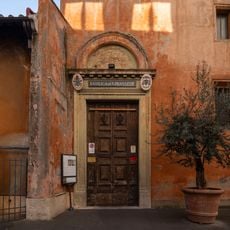
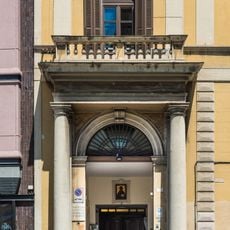
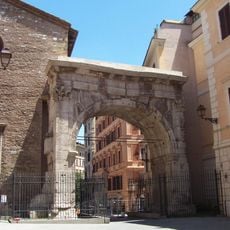
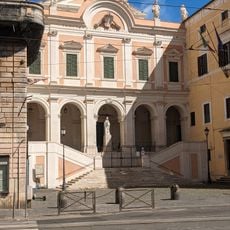
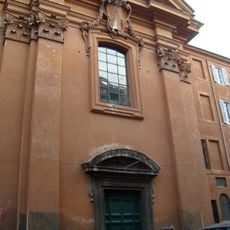
Basilica of Junius Bassus, Civil basilica on Esquiline Hill, Rome, Italy
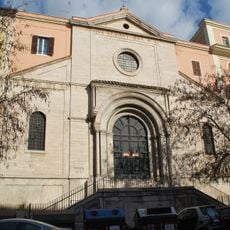
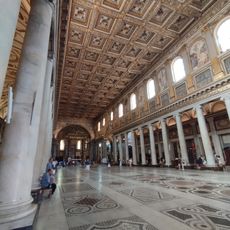
The Basilica of Junius Bassus is a civil basilica on Rome's Esquiline Hill, constructed with marble walls and adorned with opus sectile, a technique creating intricate geometric and figurative patterns. The interior displays the sophisticated craftsmanship typical of elite Roman buildings from this period.
The basilica was built in 331 AD during the consulship of Junius Bassus as a prominent elite Roman structure. In the 5th century it was converted into the church of Sant'Andrea Catabarbara, marking a significant shift in how the building was used and understood.
The decorative elements within the basilica demonstrated the transition between Roman and Christian art through the combination of classical techniques with religious subject matter.
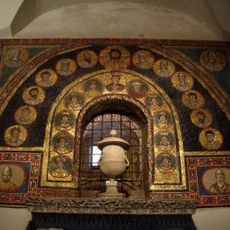
Excavations in 1930 uncovered ancient mosaic fragments decorated with Dionysian themes, which can now be viewed at the Pontifical Oriental Seminary in Rome. Visiting these preserved pieces gives a direct view of the original decoration that once adorned the building.
A mosaic panel depicted Hylas and the nymphs, one of the final known examples of mythological imagery in this building. This scene marks a transitional moment when classical subjects were still prominent before religious themes came to dominate such spaces.
The community of curious travelers
AroundUs brings together thousands of curated places, local tips, and hidden gems, enriched daily by 91,905 contributors worldwide.